
Measles Can Cause Fatal Brain Disease Years After Recovery: Study
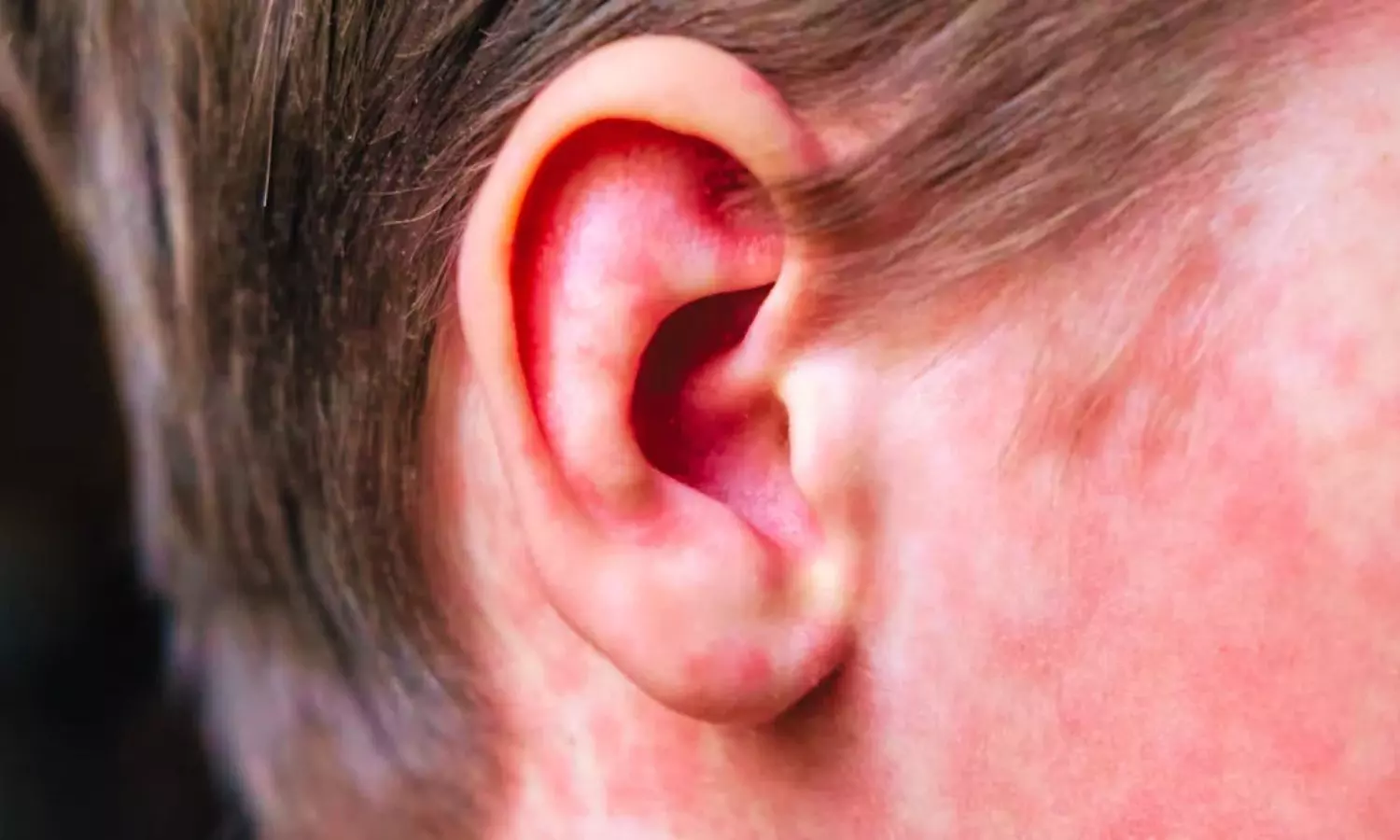


Philippines: Measles is not merely a rash-producing illness; it can cause serious complications even years after apparent recovery. A rare but almost invariably fatal neurological condition, subacute sclerosing panencephalitis (SSPE), can develop years after measles infection. A new report published in Emerging Infectious Diseases highlights this delayed complication, highlighting the importance of measles prevention through vaccination.
The study, led by Maela P. Palisoc of the National Children’s Hospital, Quezon City, and the College of Medicine, San Beda University, Manila, Philippines, and colleagues, reviewed children diagnosed with SSPE over 16 years. The researchers warned that additional cases linked to the country's 2018–2019 measles outbreak could emerge in the coming years because of the long interval between infection and neurological symptoms.
SSPE is a progressive neurodegenerative disorder caused by persistent infection of the central nervous system with a defective measles virus. It typically develops several years after measles infection, particularly when infection occurs during early childhood, and is almost always fatal.
For the study, researchers retrospectively examined medical records of 20 children admitted with SSPE to the National Children’s Hospital between January 2007 and December 2022. They assessed clinical characteristics, vaccination history, reported measles infection, and the estimated timing of infection in relation to national measles outbreaks.
The study findings revealed the following:
- Recent increase in admissions: Eight of the 20 children (40%) were admitted during 2020–2022, while five (25%) were admitted in 2022 alone.
- Cases linked to the latest outbreak: Four children had estimated measles infection dates corresponding to the 2018–2019 outbreak. All were admitted between 2020 and 2022, approximately 2.1–3.5 years after infection.
- Early childhood infection: The median age at reported measles illness was 0.7 years, while the median age at hospital admission was 6.2 years. Ten of the 19 children with an estimable age at infection had contracted measles before nine months of age.
- Incomplete measles history: A history of measles was reported in 15 children (75%), was unknown in four (20%), and was absent in one (5%).
- Vaccination history: Seventeen children (85%) had reportedly received at least one measles-containing vaccine, although 11 (55%) had received only one dose. Vaccination histories were based on parental or guardian recall and were not consistently verified against records.
Declining measles vaccine coverage in the Philippines may have increased susceptibility to infection, with first-dose coverage falling to 64% in 2021 amid repeated outbreaks.
The researchers recommended cerebrospinal fluid measles antibody testing in children with progressive neurological deterioration and myoclonus, even without a reported history of measles, to avoid missing SSPE diagnoses.
The study was limited by its small, single-center sample, lack of population-level data, and reliance on recalled histories. The researchers emphasized strengthening SSPE surveillance and sustaining two-dose measles vaccination coverage to prevent future cases.
Reference:
Palisoc MP, Ramones MS, Jamora RDG. Subacute sclerosing panencephalitis after measles outbreaks, the Philippines, 2007–2022. Emerg Infect Dis. 2026 Nov [date cited]. https://doi.org/10.3201/eid3211.261395

Next Story