Most Fertility Treatments May Increase Kawasaki Disease Risk among offsprings: JAMA
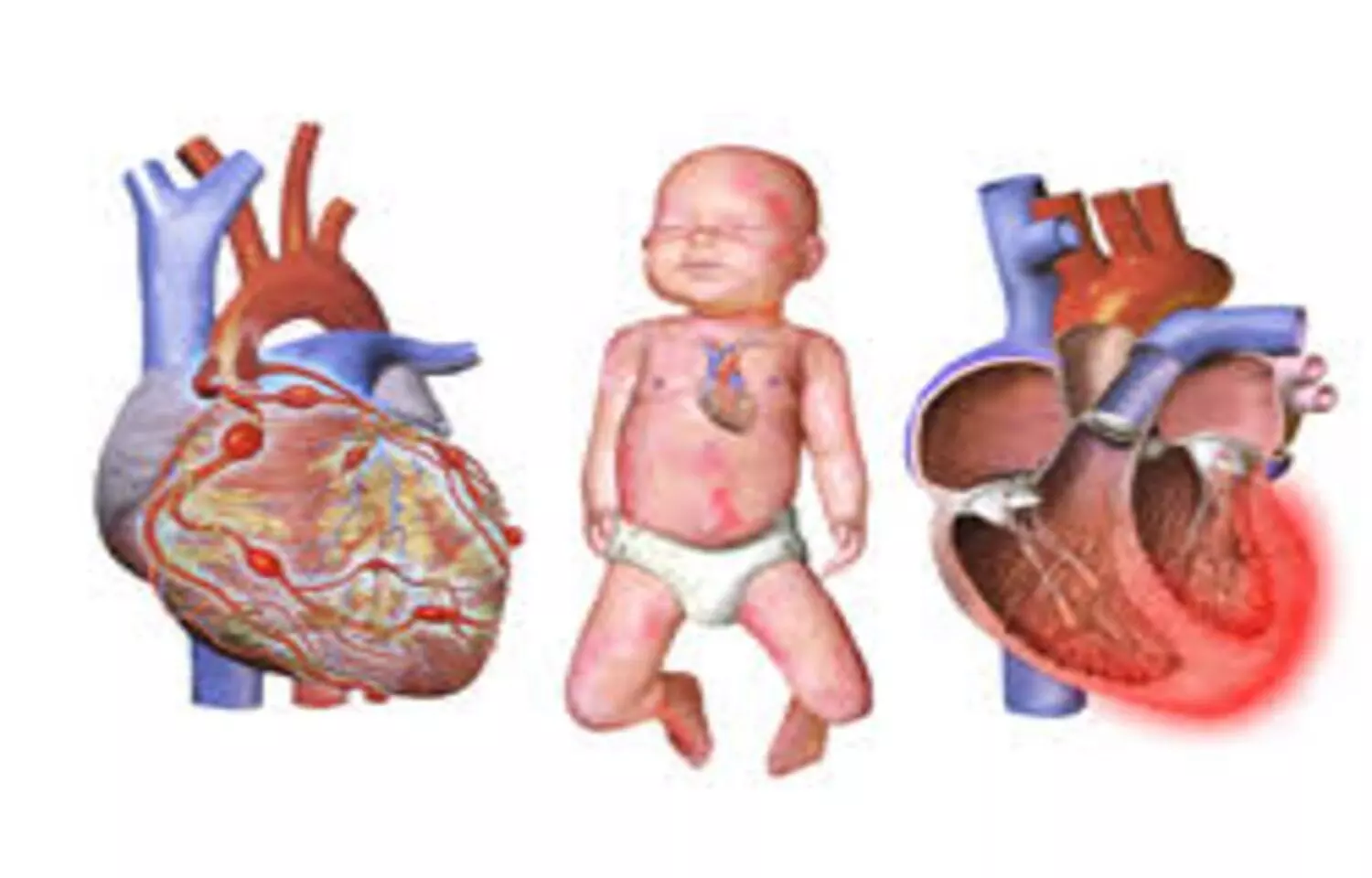


Researchers have found in a nationwide birth cohort study that most fertility treatments, except intracytoplasmic sperm injection (ICSI), were associated with an increased risk of Kawasaki disease in offspring. Further research is needed to confirm the association and understand the underlying mechanisms.
Kawasaki disease is a leading cause of acquired heart disease among children in high-income countries, but potential associations between fertility treatments and Kawasaki disease remain unknown, despite both becoming increasingly prevalent worldwide.
A study was done to examine whether fertility treatments are associated with the risk of Kawasaki disease among offspring before 5 years of age in the general population. This cohort study used data from the Japan Environmental and Children’s Study, an ongoing nationwide multicenter prospective birth cohort. Pregnant women were recruited between January 2011 and March 2014, and data were analyzed between April and November 2025. Fertility treatments were categorized as spontaneous conception or assisted conception, with the latter further classified into ovulation induction, intrauterine insemination, in vitro fertilization, and intracytoplasmic sperm injection. The main outcome was Kawasaki disease at up to 59 months of age, reported through parental questionnaires and confirmed by the medical institutions. Hazard ratios (HRs) and 95% CIs were estimated using Cox proportional hazards regression models adjusted for birth year, child’s sex, gestational length at birth, multiple pregnancies, maternal age, older sibling, household income, and area, with additional adjustment for maternal endometriosis and polycystic ovary syndrome, and maternal allergic conditions and autoimmune disease. During 431 558 person-years of follow-up, 1226 cases of Kawasaki disease were identified among 101 864 children (mean [SD] gestational age, 38.8 [1.7] weeks; 51 402 boys [50.5%]). The incidence rates per 100 000 person-years were 284 overall: 274 for spontaneous conception and 391 for assisted conception. Compared with spontaneous conception, assisted conception was associated with an increased risk of Kawasaki disease (adjusted HR [AHR], 1.42 [95% CI, 1.18-1.70]), as was ovulation induction (AHR, 1.57 [95% CI, 1.22-2.03]), intrauterine insemination (AHR, 1.48 [95% CI, 1.01-2.16]), and in vitro fertilization (AHR, 1.53 [95% CI, 1.07-2.20]), whereas intracytoplasmic sperm injection was not (AHR, 0.91 [95% CI, 0.58-1.43]). These associations were also found after further adjustment for maternal comorbidities.
In this nationwide birth cohort study, all fertility treatments except intracytoplasmic sperm injection were associated with an increased risk of Kawasaki disease among offspring. These findings warrant further studies to clarify the underlying mechanisms.
Reference:
Baba S, Tanigawa K, Miyazaki J, et al. Fertility Treatments and the Risk of Kawasaki Disease Among Offspring. JAMA Netw Open. 2026;9(8):e2628586. doi:10.1001/jamanetworkopen.2026.28586.
Keywords:
Fertility, Treatment, Increase, Kawasaki, Disease Risk, offsprings, JAMA, Baba S, Tanigawa K, Miyazaki J