Hypoxic Burden, Sleep Disruption and Cardiovascular Stress May Improve Risk Assessment in Obstructive Sleep Apnea: Review
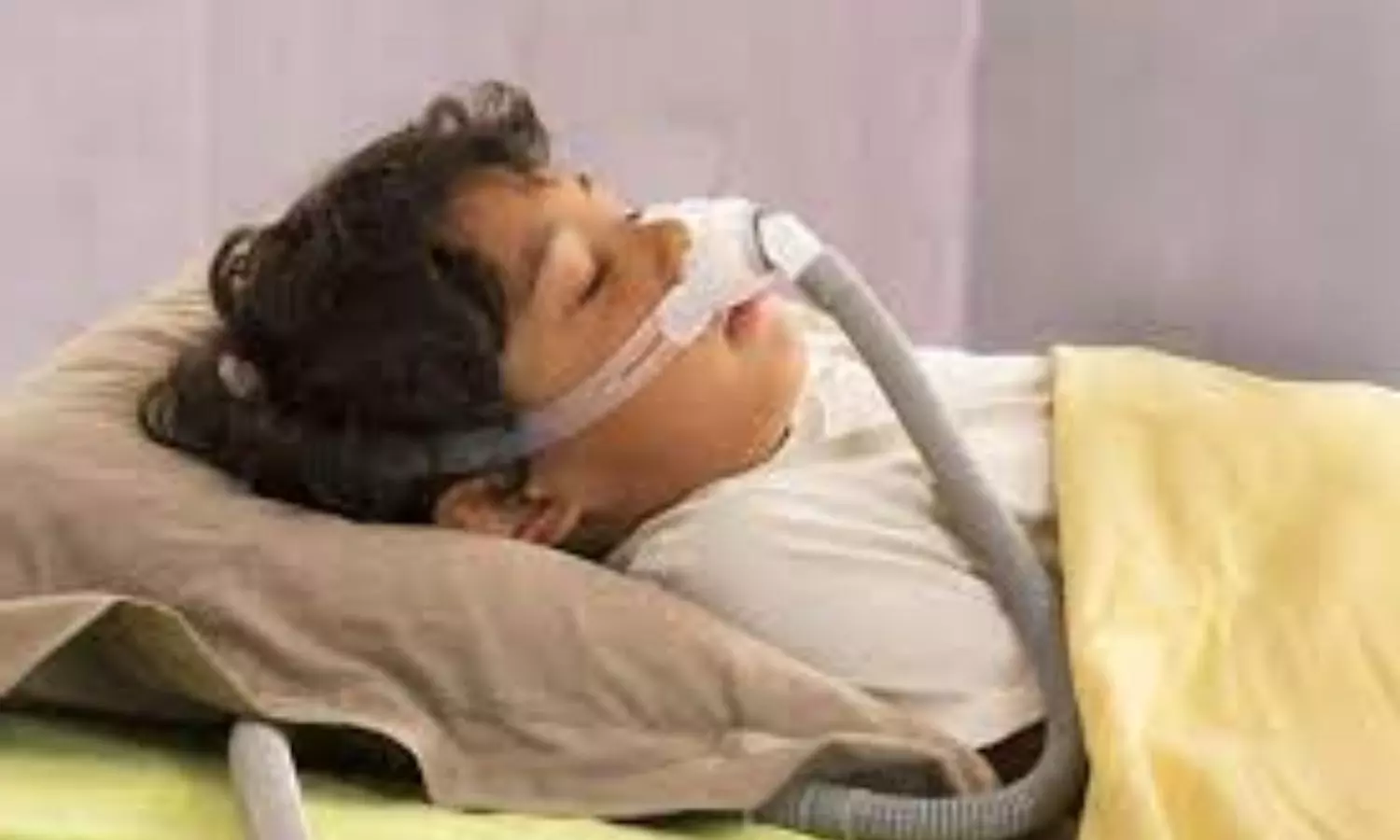


A recent narrative review published in the Indian Journal of Sleep Medicine in September 2026 shows that tracking oxygen loss, sleep disruption, and cardiovascular stress—rather than just counting breathing pauses—significantly improves heart risk assessment in sleep apnea. This multidimensional approach allows clinicians to deliver far more precise, tailored patient care.
Although obstructive sleep apnea (OSA) is a prevalent sleep-disordered breathing condition driving major cardiometabolic pathologies, traditional risk assessment relies heavily on the apnea–hypopnea index (AHI) to quantify event frequency. Because the AHI fails to capture cumulative hypoxic depth, sleep fragmentation, or autonomic surges, Dr. Hemant Kumar and colleagues from the Department of Pulmonary Medicine at Dr. Ram Manohar Lohia Institute of Medical Sciences, Lucknow, India, conducted a narrative review evaluating emerging physiological markers to enhance clinical risk stratification beyond conventional event counts.
Therefore, the narrative review evaluated PubMed literature on adult obstructive sleep apnea (OSA) to compare the standard apnea–hypopnea index (AHI) against oxygen desaturation index (ODI), arousal index (ARL), cumulative hypoxic burden, and pulse transit time (PTT). Primary outcomes focused on predicting cardiovascular mortality, whereas secondary endpoints assessed sleep continuity, subcortical autonomic activation, and artificial intelligence (AI)-driven phenotyping.
Key Clinical Findings of the Review Includes:
- Hypoxemic Load: Researchers found that cumulative hypoxic burden, integrating desaturation depth and duration, independently predicts cardiovascular mortality significantly better than frequency-based apnea–hypopnea index event counts.
- Autonomic Instability: Investigators demonstrated that the pulse transit time decrease index effectively detects subcortical autonomic arousals and transient blood pressure surges missed by standard electroencephalogram (EEG) scoring.
- Sleep Continuity: Authors established that the arousal index quantifies neurophysiological sleep disruption and sympathetic overactivity, which directly contribute to incident systemic hypertension.
- Targeted Oxygen Tracking: Reviewers highlighted that the oxygen desaturation index, tracking desaturation drops of 3% or 4% per hour, correlates more strongly with arterial hypertension and cardiovascular events than conventional AHI.
- Precision Phenotyping: The study revealed that artificial intelligence models integrating multidimensional polysomnography variables achieve automated diagnostic accuracy comparable to expert sleep scorers while refining risk assessment in lean OSA phenotypes.
The results suggest that incorporating multidimensional physiological metrics—specifically cumulative desaturation area, arousal counts, and pulse transit time drops—substantially improves cardiovascular mortality prediction and therapeutic evaluation compared to traditional event-based scoring.
Thus, the review concludes that clinicians may consider integrating metrics of hypoxic burden, sleep continuity, and autonomic stability into routine diagnostic evaluation to guide personalized therapeutic strategies—such as supplemental oxygen or tailored vascular monitoring—especially in distinct cohorts like lean sleep apnea.
While current clinical utility is limited by narrative selection bias, study heterogeneity, and a lack of standardized diagnostic cut-off thresholds, prospective regional trials and interoperable artificial intelligence protocols are needed to validate these biomarkers for routine healthcare adoption.
Reference
Kumar H, Gautam S, Arif M, et al. Beyond the Apnea–Hypopnea Index: A Paradigm Shift Toward Multidimensional Physiological Phenotyping in Obstructive Sleep Apnea: A Narrative Review. Indian J Sleep Med 2026;21(3):121–127.