
Positional therapy offers lasting benefits for most positional OSA patients: Study
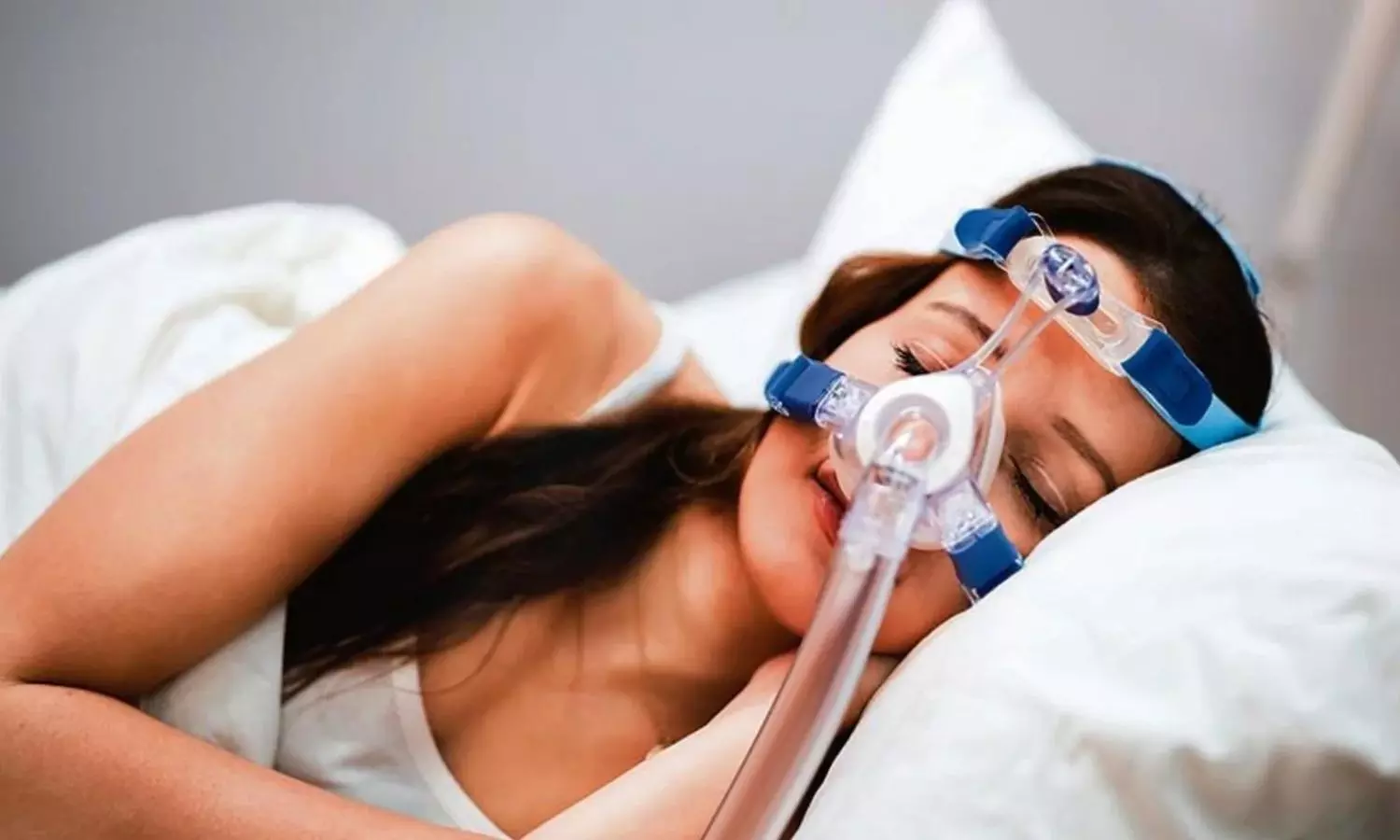


Positional therapy can be a long-lasting and effective treatment for patients with positional obstructive sleep apnea (OSA), according to research presented at the 2026 ATS International Conference.
In the new study, researchers found that positional therapy, which uses a device to encourage patients to sleep on their side, leads to long-term behavior changes and improvement for patients, even after active treatment is stopped. It’s an important finding because it supports the use of positional therapy as an alternative for patients who find continuous positive airway pressure (CPAP) therapy difficult to tolerate.
“We observed that positional therapy was not only effective — comparable to CPAP — but also better tolerated, supporting its role as a valuable alternative for patients who struggle with CPAP adherence,” said first author Irene Cano-Pumarega, MD, PhD, a pneumologist and head of the sleep unit at Ramón y Cajal Hospital in Madrid.
CPAP is considered the gold-standard treatment for OSA, but its real-world effectiveness is limited by poor adherence. Up to 40 percent of patients do not use it enough to see benefits.
Positional OSA is a type of sleep apnea that is triggered by sleeping on the back. Up to 75 percent of all patients with OSA have this type. For these patients, side-sleeping can improve symptoms.
Positional therapy works by having patients wear a device that monitors body position and delivers a gentle vibration when those patients turn onto their backs during sleep. This prompts them to shift to their side without fully waking up.
For the new study, named “Pavlov,” researchers wanted to learn if this repeated feedback conditioned patients to avoid back-sleeping on their own, even without the device in place. They found that it did.
After six months of using a positional therapy device, more than two-thirds of patients continued the side-sleeping behavior and were able to control their OSA without any active treatment. This effect continued even a year after stopping therapy.
It’s notable that, while CPAP only works while the device is in use, the behavioral change caused by positional therapy could allow patients to control their sleep apnea without ongoing treatment, Dr. Cano said.
“This represents a fundamental shift from device-dependent therapy to a potentially self-maintained therapeutic effect,” she said.
For health care systems, this approach could have significant financial implications, since it could reduce costs associated with the long-term use of CPAP devices, she added.
Dr. Cano said researchers were surprised not just by the magnitude of the benefits but also by how long those benefits lasted. Previous studies have shown that positional therapy was effective and well-tolerated, but this is the first to demonstrate that its benefits endure long term.
“Our findings suggest that positional therapy could represent a first-line treatment option for a substantial proportion of patients with positional OSA,” she said.
Next, researchers plan to study how long these benefits continue after treatment. They also plan to study which patients respond best to positional therapy.
“Ultimately, our goal is to incorporate these findings into clinical guidelines and move toward a more personalized treatment strategy for obstructive sleep apnea,” Dr. Cano said.
