
Tranexamic Acid Enhances Hemostasis in hemorrhage during Airway procedures: Highlights Literature Review
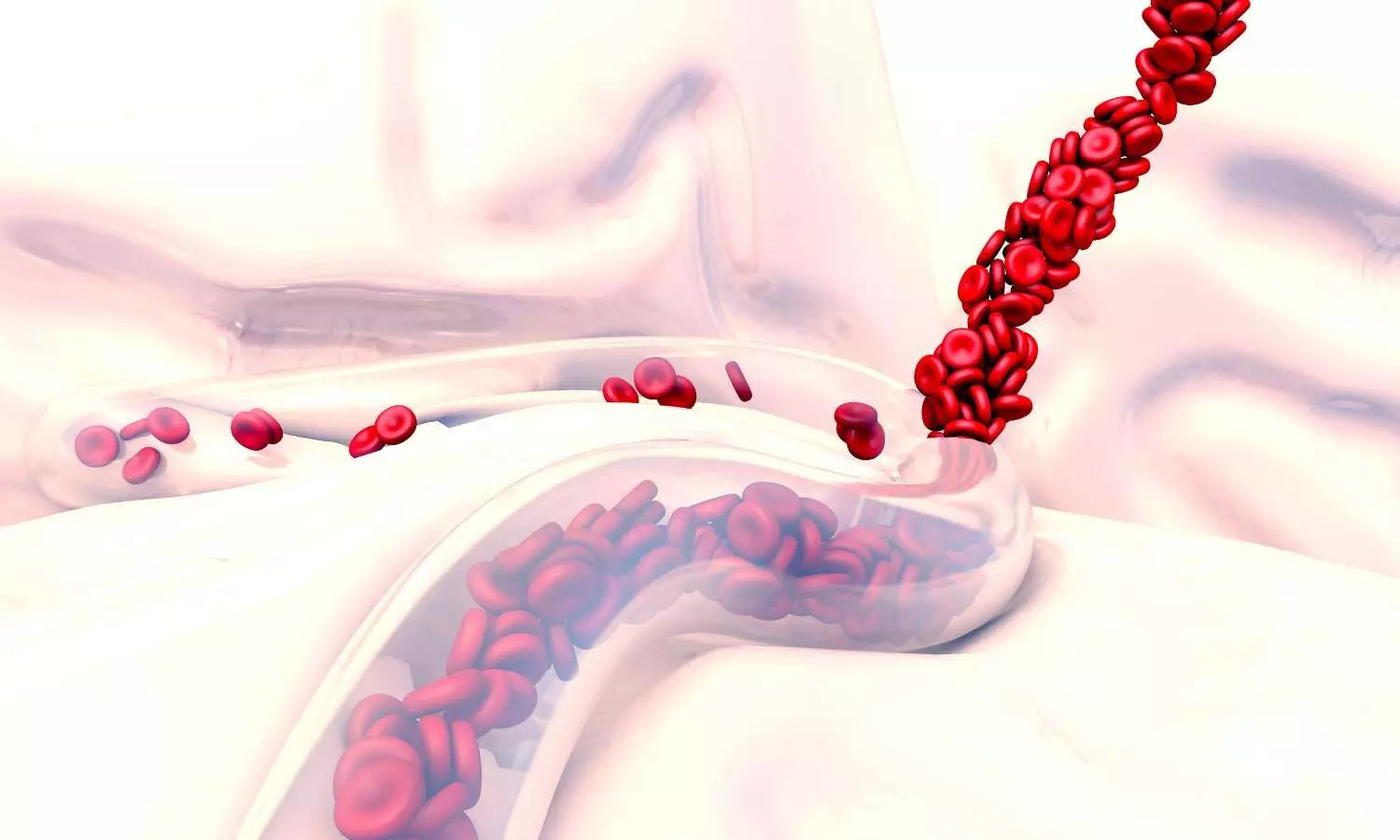


Tranexamic acid significantly enhances hemostasis, achieving success rates between 83.1% and 95.0% when applied both preventatively and curatively during airway procedures, as a recent comprehensive literature review published in Lung India in March 2026 has shown.
While bronchoscopy is a critical diagnostic tool, the associated risk of hemorrhage—reaching up to 30% in high-risk biopsies—remains a significant challenge; although traditional methods like chilled saline and epinephrine are used, there is a lack of robust guidance for newer interventions, leading Dr. Anthony Christanto and colleagues from Brawijaya University Hospital to conduct this comprehensive review aimed at assessing the efficacy and safety of tranexamic acid (TXA) in optimizing patient outcomes.
Therefore, the comprehensive literature review synthesized current evidence from various clinical trials and case series, focusing on both topical endobronchial instillation and systemic administration of tranexamic acid across adult populations undergoing diagnostic and interventional pulmonary procedures to evaluate primary endpoints such as bleeding control rates and procedural duration while monitoring for secondary outcomes including thromboembolic adverse events. To ensure clinical relevance, the analysis scrutinized data from high-risk procedures like transbronchial lung biopsy (TBLB) and transbronchial cryobiopsy, specifically assessing patients with potential contraindications such as active thromboembolic disease.
Key Clinical Findings of the Study Include:
• Superior Hemostasis: The review credits TXA with achieving exceptional bleeding control rates ranging from 83.1% to 95.0% across various therapeutic settings, providing a more targeted effect on the plasminogen–fibrin interaction compared to older agents.
• Prophylactic Efficacy: Evidence highlighted by the review indicates that preventative topical administration significantly reduces blood loss and allows for the collection of a higher volume of biopsy specimens compared to placebo.
• Standardized Dosing: Researchers found that a topical dosage of 50 mg to 100 mg diluted in 2 mL was the most frequently utilized and effective regimen for managing localized airway hemorrhage in current practice.
• Enhanced Efficiency: The review notes that TXA outperformed traditional agents by requiring fewer repeat administrations of secondary hemostatic medications to achieve stability compared to adrenaline.
• Safety Profile: The review credits TXA with a low incidence of serious complications, noting that topical application minimizes systemic absorption and reduces the risk of thromboembolic events.
The results suggest that tranexamic acid serves as a potent antifibrinolytic agent that effectively stabilizes clots by inhibiting plasminogen activation, thereby reducing the need for invasive interventions like blood transfusions or open surgeries while maintaining a success rate up to 95%.
Thus, the study concludes clinicians may consider incorporating TXA into standardized bronchoscopy protocols to potentially enhance surgical efficiency and reduce hospital stay durations by managing procedural bleeding more effectively.
While currently limited by the small sample sizes of existing case series, there is an exciting opportunity for future large-scale multicenter trials to define the ideal dosing schedules and verify the long-term safety profiles of this promising hemostatic intervention.
Reference:
Christanto A, Putra NP, Putra CS. Tranexamic acid in the management of post‑procedural bleeding in bronchoscopy: A comprehensive review. Lung India 2026;43:185‑90.
