
PET suggests potential chronic traumatic encephalopathy biomarker in living humans: Study
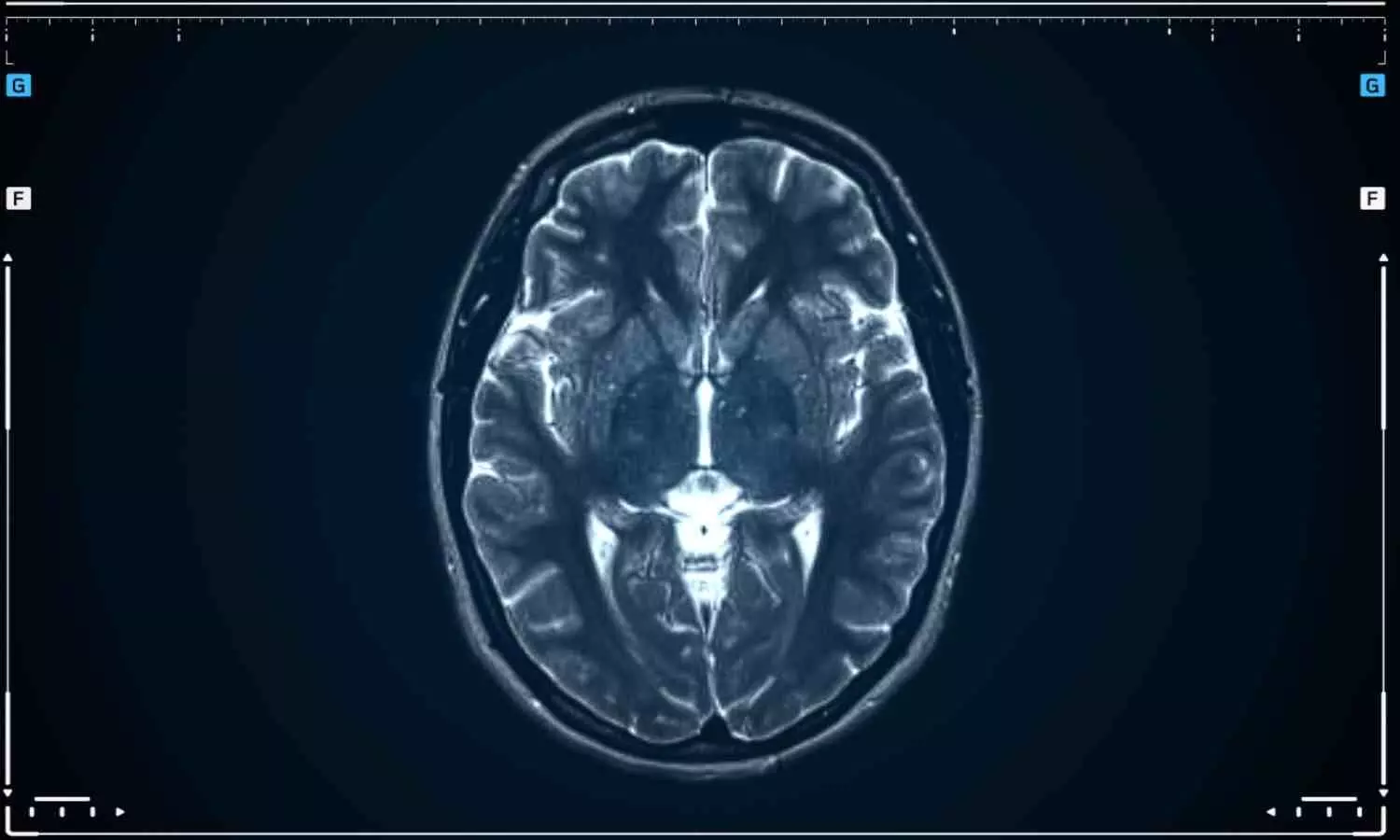


A first-in-class PET imaging approach can accurately detect a biomarker for chronic traumatic encephalopathy (CTE), a devastating neurodegenerative disease associated with repeated head impact. Rather than waiting until after death for definitive diagnosis, this imaging biomarker has the potential to diagnose patients while they are still alive and could play a critical role in supporting clinical trials to develop CTE treatments. This research was presented at the Society of Nuclear Medicine and Molecular Imaging 2026 Annual Meeting.
CTE is common among contact sports athletes, military veterans, and victims of interpersonal or intimate partner violence, as well as anyone who has experienced a traumatic brain injury. Individuals with suspected CTE often experience mental health consequences including cognitive decline, mood symptoms, impulsivity, and dementia. At present, CTE can only be definitively diagnosed after death through neuropathological examination.
"Post-mortem, CTE is confirmed by the presence of tau plaques in the brain," said Isabelle Boileau, PhD, senior scientist and associate director of the Brain Health Imaging Centre and head of the Addiction Imaging Research Group at the Centre for Addiction and Mental Health in Toronto. "Existing tau PET tracers, however, are largely developed for Alzheimer's disease and may not adequately detect the distinct tau pathology seen in CTE."
In the study, researchers evaluated a new tau PET radiotracer for its ability to recognize tau plaques in patients with suspected CTE. Three retired collision-sport athletes and seven healthy controls underwent dynamic brain PET with 18F-OXD-2314. Tau distribution patterns were analyzed, and specific regions of interest were assessed. Additional studies were also conducted to assess 3H-OXD-2314 binding in post-mortem CTE tissue.
Compared to healthy controls, images of individuals with suspected CTE revealed elevated uptake of 18F-OXD-2314 in the grey-white matter junction and in white matter. Additionally, the 3H-OXD-2314 signal was observed in all post-mortem CTE cases examined, providing early biological confirmation that the tracer binds to tau pathology in human CTE tissue.
"If validated, 18F-OXD-2314 could help provide the first accurate in-life diagnostic biomarker for CTE," said Boileau. "This work could also establish a clinical role for PET in traumatic brain injury and sports- and military-related neurodegeneration and spark next generation tau-radiopharmaceuticals optimized for non-Alzheimer's disease tauopathies including CTE."
She continued, "While this radiopharmaceutical is in the early clinical research stage, our data in both people with suspected CTE and other non-Alzheimer's disease tauopathies is very promising. The PET imaging for CTE could be available to patients as early as in the next two years, pending further studies."
Reference:
PET suggests potential CTE biomarker in living humans, Society of Nuclear Medicine and Molecular Imaging, Meeting: Society of Nuclear Medicine and Molecular Imaging 2026 Annual Meeting
