
Hand-sewn Anastomosis: Primary Predictor of Postoperative Ileus, Suggests Study
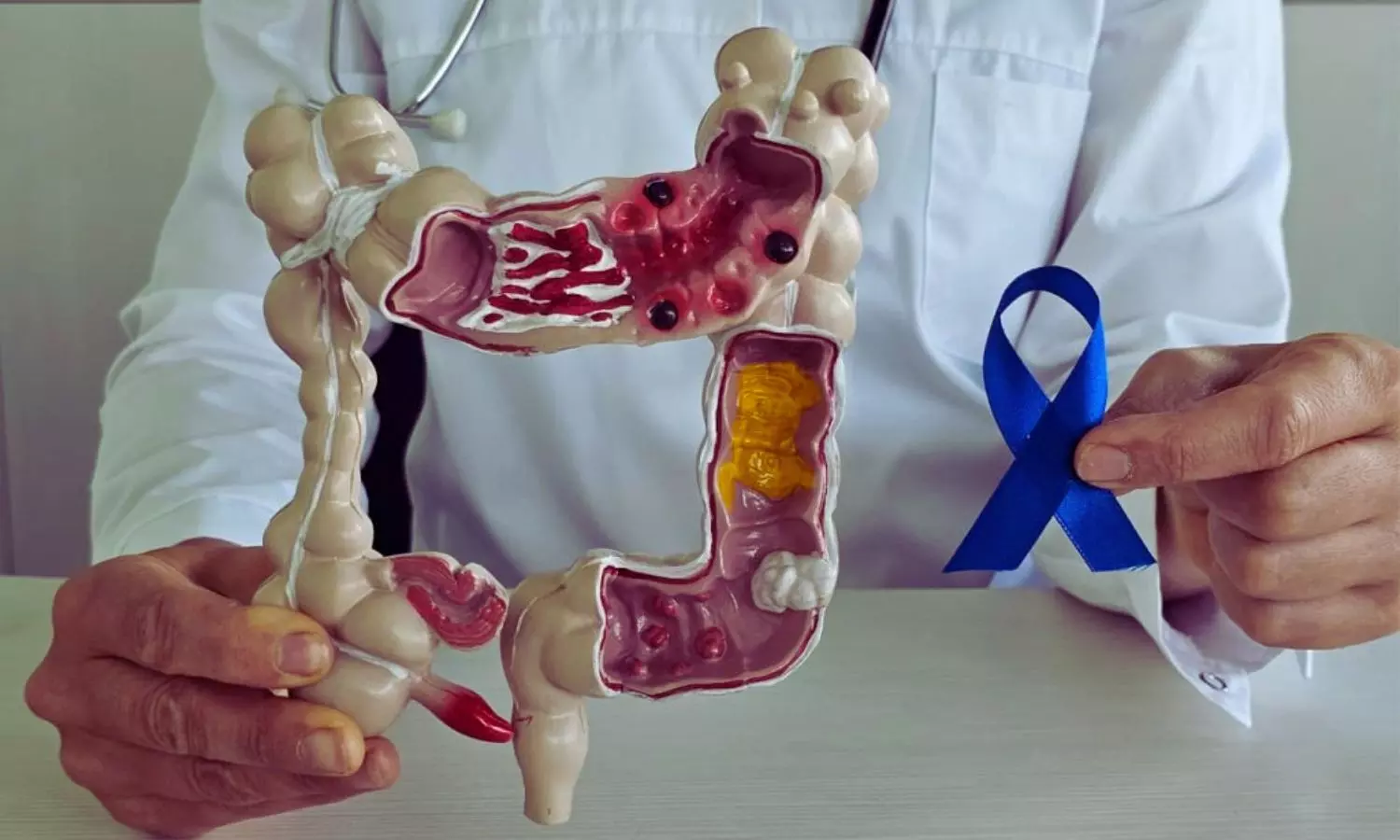


A recent study reveals that hand-sewn anastomosis serves as a primary predictor for postoperative ileus, a clinical complication affecting approximately 30.2% of rectal cancer patients following the reversal of loop ileostomies, in a recent study published in the Indian Journal of Surgery in May 2026
Although loop ileostomies are frequently utilized during rectal cancer surgery to decrease the risk of severe anastomotic complications, the specific clinical predictors of the frequently associated POI have not been extensively investigated; therefore, Sümeyra Emine Bölük and colleagues from the Department of Surgery, Sultan Abdulhamid Han Training and Research Hospital, aimed to address the knowledge gap by evaluating how closure timing and various surgical techniques specifically influence the development of ileus.
Therefore, the retrospective cohort study examined 43 individual cases of patients who underwent ileostomy closure after undergoing rectal resection for adenocarcinoma, focusing on the development of POI within a 30-day postoperative timeframe as the primary endpoint. The research team evaluated various demographic factors and surgical interventions to identify significant associations, while secondary outcomes focused on identifying specific risk factors such as the time interval between the initial surgery and the closure procedure.
Key Clinical Findings of the Study Incudes:
• High Clinical Incidence: The study revealed that POI is a common hurdle, affecting approximately 30.2% of all patients undergoing reversal surgery.
• Surgical Technique Risk: Hand-sewn anastomosis was identified as a significant risk factor, demonstrating a significantly higher rate of POI compared to stapled techniques, supported by a p-value of 0.024.
• Impact on Hospitalization: Patients who developed POI experienced significantly longer hospital stays, which contributes to an increased burden on healthcare resources (p < 0.001).
• Increased Readmission Rates: The research identified that patients suffering from POI had a significantly higher likelihood of being readmitted to the hospital within 30 days of their procedure (p = 0.042).
• Closure Timing Insignificance: While a longer median interval from the primary surgery to the closure was observed in the POI patient group, the study noted that this specific factor did not reach statistical significance (p = 0.243).
The results suggest that POI remains a substantial complication affecting nearly one-third of this patient population, with the choice of hand-sewn anastomosis being a critical predictor of both extended recovery times and higher readmission rates. These findings indicate that the selection of the anastomotic technique plays a pivotal role in determining the postoperative trajectory and the overall recovery efficiency of patients undergoing loop ileostomy reversal.
Thus, the study concludes clinicians should consider the potential benefits of prioritizing stapled anastomotic techniques over hand-sewn methods to potentially reduce the incidence of POI and improve the immediate postoperative outcomes for rectal cancer patients.
While the study provides essential insights into the predictors of POI, its retrospective nature suggests that further prospective research is required to more definitively determine the optimal timing for ileostomy closure and to further validate these surgical risks.
Reference
Bölük SE, Bölük S, Bilgiç Ç. Retrospective Analysis of Postoperative Ileus Following Loop Ileostomy Reversal in Rectal Cancer Patients: Incidence, Predictors, and Clinical Outcomes. Indian J Surg. 2026; May 13.
