Laparoscopic Appendectomy Linked to Higher Risk of Surgical Specimen Fragmentation: Study
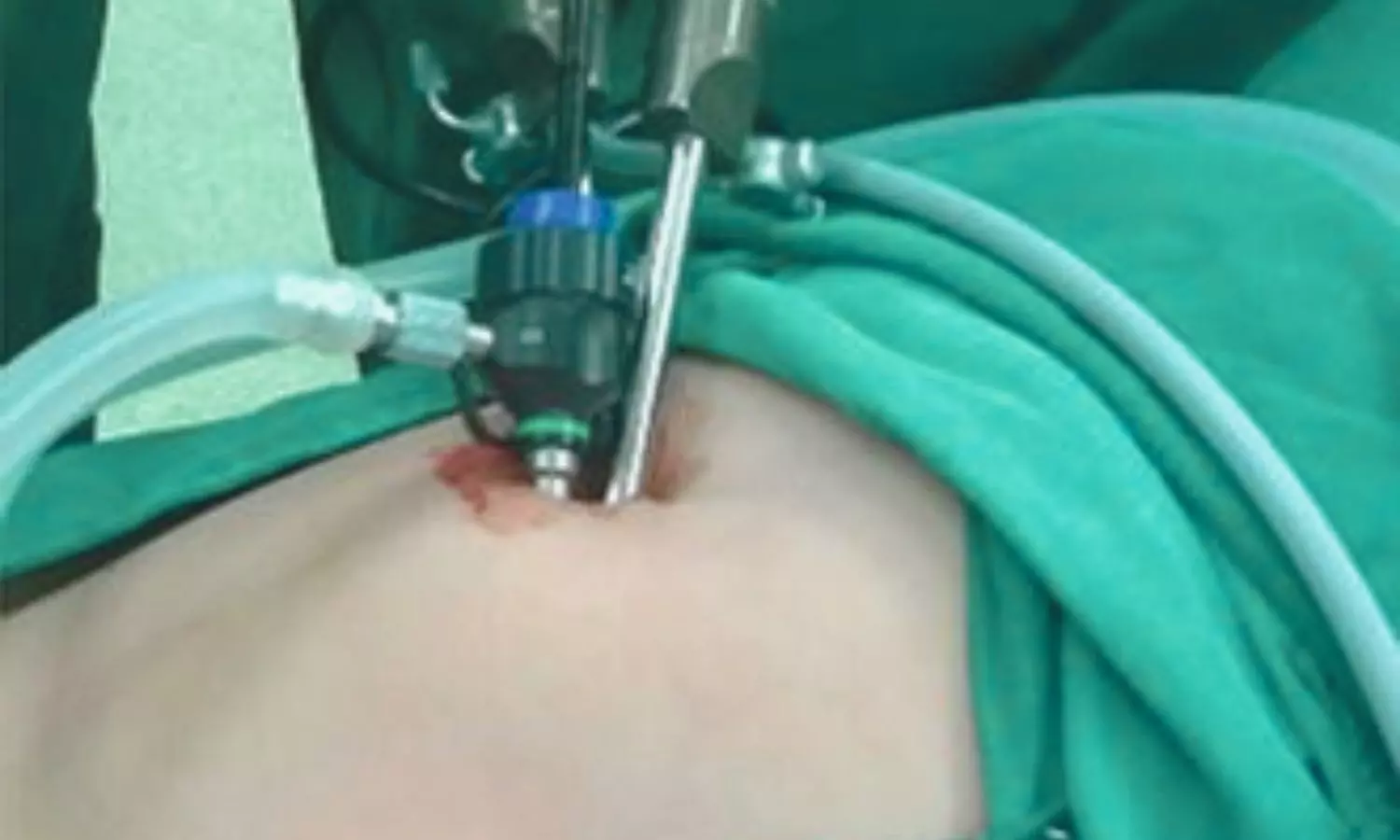


A recent retrospective study published in the Indian Journal of Surgery in August 2026 warns that laparoscopic appendectomy significantly compromises surgical specimen integrity compared to open surgery. Clinicians are urged to rethink extraction techniques, as this popular minimally invasive approach frequently risks specimen fragmentation.
Although standard minimally invasive surgical techniques are well-documented to provide advantages such as smaller incisions, decreased post-operative pain, and shorter hospital stays, the exact effect of these procedures on preserving specimen wholeness has remained an unaddressed clinical gap. Consequently, Sezgin Topuz and colleagues at their clinical department aimed to systematically evaluate the impact of LA on the integrity of extracted surgical specimens.
Therefore, a single-center, retrospective study of 1,113 acute appendicitis patients compared 689 open appendectomies with 424 laparoscopic procedures. Researchers analyzed clinical risk factors, surgical techniques, and endobag usage to determine their impact on specimen integrity.
Key Clinical Findings of the Study Include:
- Elevated Specimen Compromise: The investigation revealed that patients undergoing LA experienced a significantly higher rate of compromised specimen integrity compared to OA (p = 0.001), with LA itself associated with a more than threefold risk increase (odds ratio [OR] = 3.56, 95% confidence interval [CI]: 1.97–6.44, p < 0.001).
- Perforation Risks: Researchers identified that preoperative or intraoperative perforation escalated specimen fragmentation risk over sevenfold (OR = 7.41, 95% CI: 4.27–12.84, p < 0.001).
- Appendix Diameter Cutoff: Investigators established that a preoperative appendix diameter of 11 millimeters (mm) predicted compromised integrity in LA cases (area under the curve [AUC] = 0.650, sensitivity 64.5%, specificity 59.49%), with increasing diameter also posing an independent risk (OR = 1.127, 95% CI: 1.045–1.216, p = 0.002).
- Endobag Extraction: The analysis demonstrated that utilizing an endobag during LA failed to protect specimen integrity (p > 0.05).
- Patient Age: The study demonstrated that higher age was another independent risk factor linked to compromised specimen wholeness (OR = 1.027, 95% CI: 1.010–1.043, p = 0.001).
The results suggest that LA may negatively affect surgical specimen integrity, although the resulting tissue fragmentation did not lead to clinically meaningful harm in this study cohort of 1,113 patients, where 13 cases (1.13%) were neoplastic. Nevertheless, the authors caution that these findings must be interpreted with care due to retrospective study design limitations and the significant role that preoperative perforation (OR = 7.41) and a wider appendix play in specimen disruption.
While the retrospective design of the study introduces inherent biases that may limit the direct generalizability of the findings, it highlights a crucial need for further detailed, prospective investigations to establish optimal specimen extraction techniques that can consistently preserve integrity during appendectomies.
Reference