Sevoflurane and Propofol Show Comparable Anti-Inflammatory Effects in Brain Aneurysm Surgery: Study

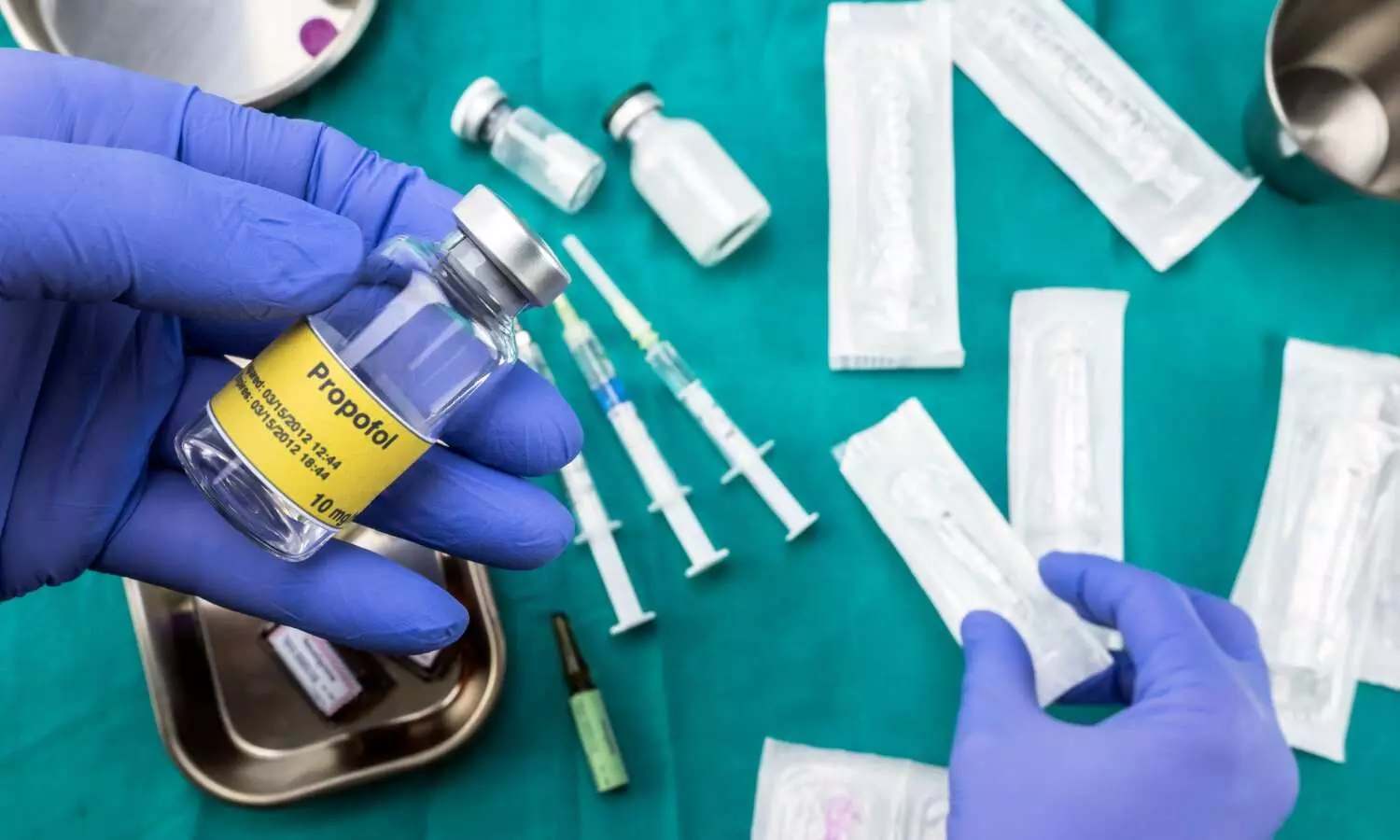


The Anesthesia Dilemma: Does Choice Impact Brain Healing?
When patients face surgery for cerebral aneurysms, the choice of anesthesia—sevoflurane or propofol—often hangs in the balance. Many specialists wonder: does one offer more protection against the brain’s dangerous immune responses after surgery? A new study published in BMC Anesthesiology offers reassuring news: the answer may be “not really.”
Exploring the Immune Battle After Brain Surgery
Aneurysmal subarachnoid hemorrhage is a life-threatening condition, and endovascular coiling is a common treatment to prevent further bleeding. However, surgery itself can trigger immune system chaos—leading to inflammation, neuronal injury, and the dreaded complication of delayed cerebral ischemia (DCI).
To find out if anesthesia choice makes a difference, researchers followed 80 patients undergoing endovascular coiling, splitting them into two groups: one received sevoflurane, the other propofol. The main focus was on levels of immune markers (especially the anti-inflammatory IL-10), neuronal injury (S100-β protein), and real-world outcomes like DCI and recovery.
So, What Did the Study Reveal?
Surprisingly, both anesthesia methods produced nearly identical results:
No differences in key immune biomarkers, including IL-10, IL-1β, IL-6, IL-8, TNF-α, and S100-β after adjusting for baseline differences.
Similar rates of delayed cerebral ischemia: 12.5% in the propofol group vs. 15% in the sevoflurane group.
No significant difference in patient outcomes like Glasgow Coma Scale (GCS) scores, prognosis, or hospital stay.
The only difference? Hospital costs were higher with sevoflurane.
What Does This Mean for Patients and Doctors?
This study provides strong evidence that the type of anesthesia may not significantly affect immune inflammation or immediate brain injury after endovascular coiling of cerebral aneurysms. Patient characteristics and surgical factors likely play a much bigger role in recovery. For patients and clinicians, this means both sevoflurane and propofol are safe and effective choices for these high-stakes procedures.
Key Takeaways
Sevoflurane and propofol show comparable effects on immune and neuronal injury markers.
No anesthesia-related difference in rates of delayed cerebral ischemia or recovery.
Patient and surgical factors likely outweigh anesthesia type for short-term outcomes.
Hospital costs may be higher with sevoflurane, but clinical results are similar.
Both anesthetics appear equally safe for use in endovascular coiling of cerebral aneurysm.
Citation:
Zhou M., Nie B., Wu Z., et al. Effect of sevoflurane versus propofol on immune inflammation in patients undergoing endovascular coiling of cerebral aneurysm. BMC Anesthesiol (2026). https://doi.org/10.1186/s12871-026-03902-z