Study Discovers Jet Ventilation Protects Against Oxygen Desaturation in Tubeless Laryngeal Surgery
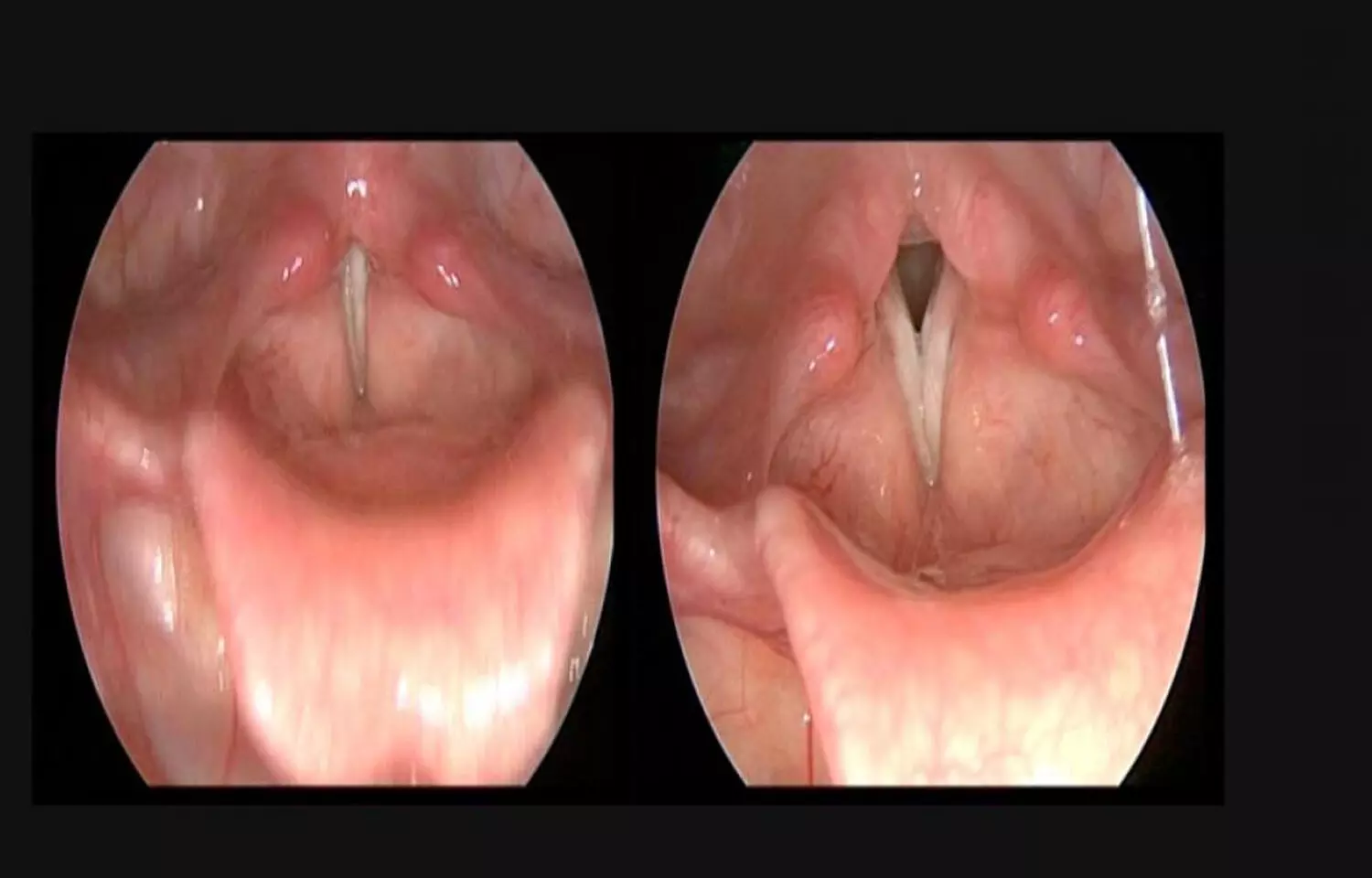


Tubeless microlaryngoscopic surgery provides surgeons with a clear operative field, but managing ventilation and carbon dioxide (CO₂) levels can be a challenge. While high-flow nasal oxygen (THRIVE) keeps oxygen saturation high, it can’t always prevent CO₂ from rising during apnoea. Could adding jet ventilation to THRIVE offer a safer solution for both patients and clinicians?
Study Design: Comparing Airway Management Strategies
This single-blind randomized controlled trial enrolled 100 adults undergoing elective microlaryngoscopic vocal fold polyp excision. Patients were allocated to either THRIVE alone (Group T) or THRIVE combined with jet ventilation (Group M). The primary outcome was the change in transcutaneous partial pressure of carbon dioxide (ΔPtcCO₂) from the onset of apnoea to the end of surgery. Secondary outcomes included oxygenation, adverse events, need for conversion to endotracheal intubation, and recovery data.
Key Findings: Carbon Dioxide Control and Safety
CO₂ Management: Patients in Group M (THRIVE plus jet ventilation) had a much smaller rise in CO₂ (mean ΔPtcCO₂: -0.56 mmHg) compared to Group T (mean ΔPtcCO₂: 10.98 mmHg), with significantly lower end-of-surgery CO₂ levels.
Oxygenation: Mild oxygen desaturation (SpO₂ <95%) occurred in 14% of patients in Group T but in none in Group M. No patient developed hypoxaemia (SpO₂ <90%) or needed conversion to tracheal intubation.
Adverse Events: Rates of perioperative complications—including dry mouth, nasal pain, and sore throat—were low and similar between groups. No barotrauma, chest pain, or significant airway injury was observed in either group.
Clinical Implications: Practical Takeaways for Surgeons and Anaesthesiologists
Combining jet ventilation with THRIVE offers clear advantages in shared-airway microlaryngoscopic procedures. Jet ventilation provides active CO₂ clearance, reducing the risk of hypercapnia without sacrificing the unobstructed surgical field. This approach may be particularly useful for longer procedures or patients with limited cardiopulmonary reserve, where CO₂ accumulation could be more problematic.
Limitations and Considerations
This single-centre study focused on ASA I–II patients with BMI <30 and excluded those with significant comorbidities, so results may not generalize to higher-risk populations. Arterial blood gas analysis was not performed; CO₂ was measured transcutaneously. Larger and multicentre trials are needed to confirm these findings in broader patient groups.
Conclusion
Adding jet ventilation to THRIVE during tubeless microlaryngoscopic vocal fold polyp surgery significantly reduces intraoperative CO₂ accumulation and oxygen desaturation, without increasing adverse events. This combined strategy may provide safer airway management and a better operative field for shared-airway laryngeal surgeries.
KEY points
Jet ventilation with THRIVE controls intraoperative CO₂ rise better than THRIVE alone.
Oxygen desaturation was more common in THRIVE-only patients.
No patients required conversion to endotracheal intubation in either group.
Perioperative adverse events were mild and similar between groups.
This combined technique supports safer tubeless airway management for laryngeal surgery.
Citation:
Li W, Zhao J, Shen H, Zhang Y, Wang J, Mo Y. High-flow nasal oxygen combined with jet ventilation for tubeless microlaryngoscopic vocal fold polyp surgery: A randomised controlled trial. Indian Journal of Anaesthesia. 2026;70(8):920-6. DOI: 10.4103/ija.ija_445_26