Study Highlights Hidden Hair Loss Risk After Robotic Gynaecological Surgery


The Silent Complication: What Is Pressure Alopecia?
When we think of surgical complications, hair loss rarely comes to mind. Yet pressure alopecia (PA)—temporary or sometimes permanent hair loss due to scalp pressure during lengthy operations—is a real, under-recognized issue. This complication can be particularly distressing for young women undergoing robotic gynaecological surgery.
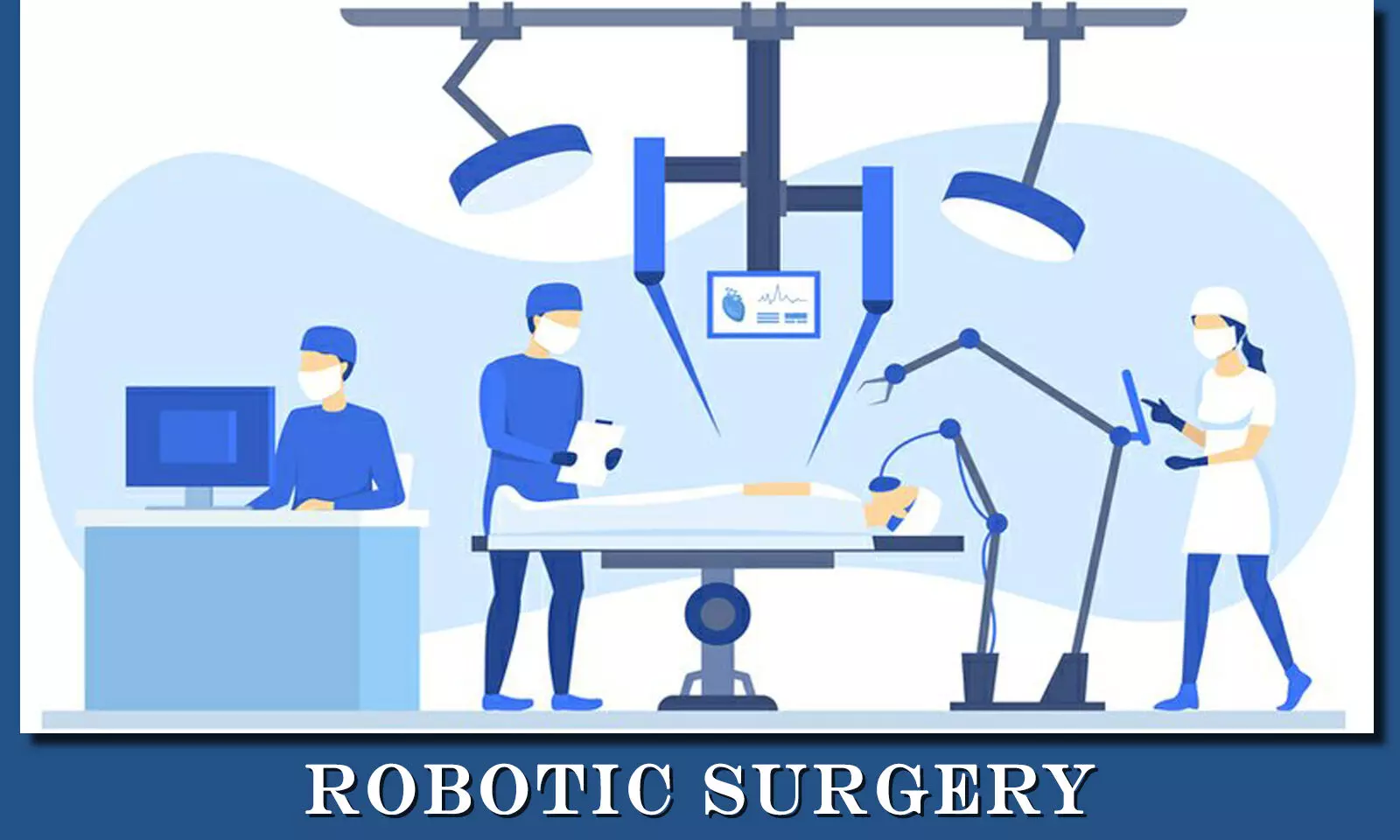
Robotic Surgery: New Risks with Modern Techniques
Robotic pelvic surgeries require a steep Trendelenburg position (head-down tilt of 40–45°), which can increase pressure on the back of the scalp. Once the robotic arms are docked, adjusting a patient’s head becomes difficult. This, combined with longer operative times and scalp swelling, raises the risk of PA.
Lessons from a Case Series: Recognizing and Preventing Hair Loss
This case series from Saifee Hospital, Mumbai, looked at six women who developed occipital (back of the scalp) pressure alopecia after robotic gynaecological surgery. All had well-circumscribed, non-tender hairless patches over pressure points. Most procedures lasted less than 4 hours—shattering the myth that only long surgeries pose a risk.
Key findings:
PA developed even after shorter surgeries, not just those over 6 hours.
All cases recovered fully within weeks to months, indicating reversible ischaemic injury rather than permanent follicle damage.
Scalp oedema, pressure from the headrest, and the inability to reposition the head during surgery were key contributors.
Prevention Is Better Than Cure: Simple Steps Matter
The authors urge anaesthesia and surgical teams to increase vigilance and take practical steps to reduce risk:
Use gel or viscoelastic headrests instead of rigid, doughnut-shaped ones.
Reposition the head before robotic docking and check alignment.
Minimize both the angle and duration of the Trendelenburg tilt.
Maintain good haemodynamic stability and avoid hypothermia to protect scalp blood flow.
Educate patients about the rare risk of pressure alopecia before surgery.
Why This Matters
While pressure alopecia is generally benign, it can cause significant distress and dissatisfaction, especially for young women. Highlighting this preventable complication can lead to better patient outcomes and satisfaction.
Key Takeaways
Pressure alopecia can occur even after moderately short robotic surgeries (<4 hours).
Steep Trendelenburg positioning, headrest choice, and scalp oedema are key risk factors.
Preventive strategies—proper head support and vigilance—are critical.
Early recognition ensures faster, complete hair regrowth without permanent damage.
Patient education and team awareness can make this complication a thing of the past.
Citation:
Dhansura T, Aswin RA, Hamzawala I, Bhorkar N. Pressure alopecia following robotic gynaecological surgery: Lessons from a case series on a preventable complication. Indian J Anaesth 2026;70:490-3. doi:10.4103/ija.ija_95_26