Surgical Therapy for Diabetic Gastroparesis May Improve Metabolic Outcomes: JAMA
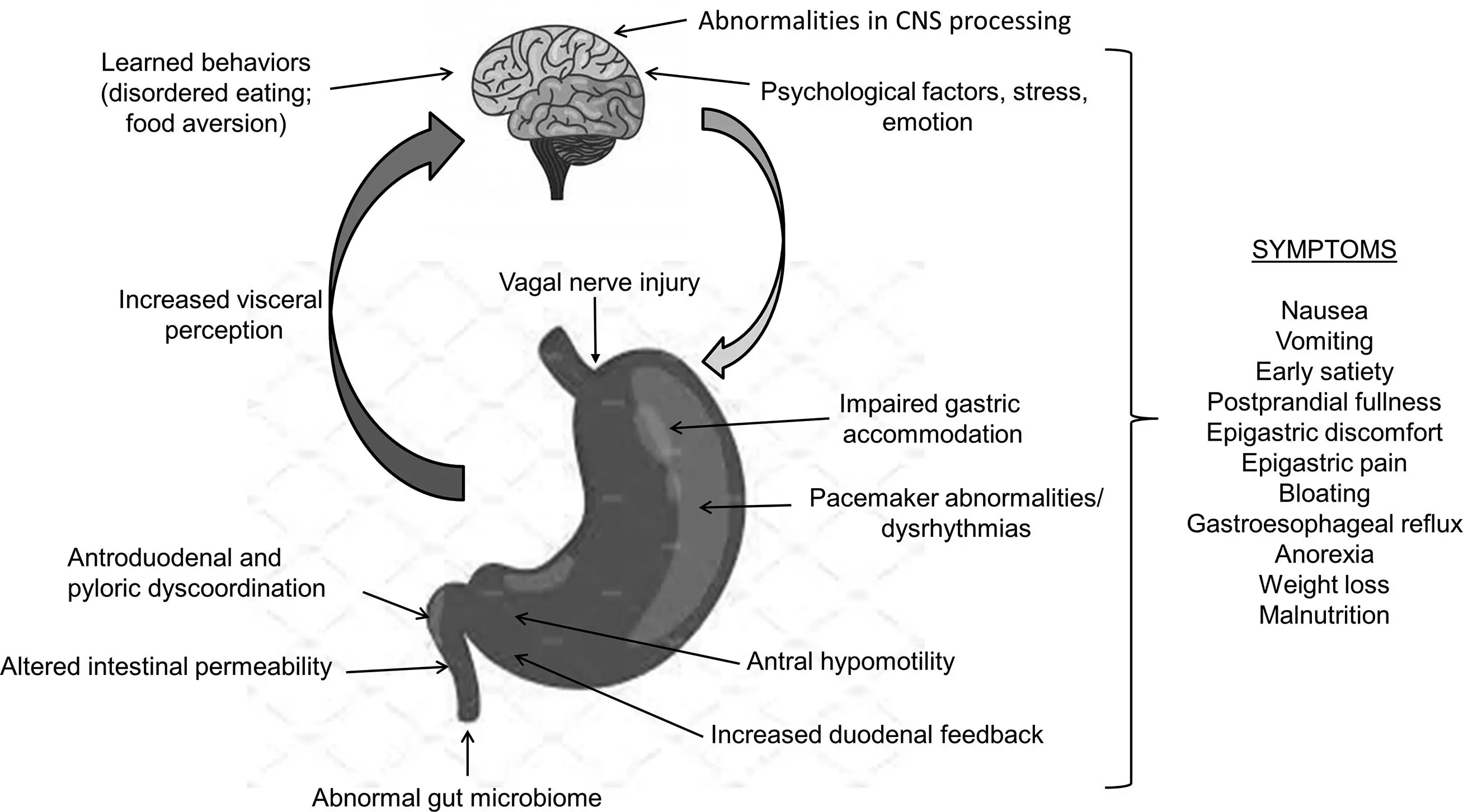


Researchers have found in a national multicenter cohort study that surgical treatment for diabetic gastroparesis may provide important metabolic benefits in addition to symptom relief. Researchers found that patients undergoing surgical therapy experienced better glycemic control, reduced insulin requirements, and fewer diabetes-related complications over time. The findings indicate that metabolic improvements should also be considered when assessing diabetic gastroparesis patients for surgical intervention.
Surgical therapy for gastroparesis is effective for refractory symptoms; however, its association with glycemic control and diabetes-related complications in patients with diabetic gastroparesis remains uncertain. A study was done to evaluate the association between surgical therapy for gastroparesis and glycemic control and diabetes-related complications in adults with diabetic gastroparesis. This retrospective multicenter cohort study using a national electronic health record database included more than 100 million patients from more than 70 US health care organizations. Adults with concurrent diagnoses of diabetes and gastroparesis between 2010 and 2023 were included. Propensity score matching (1:1) was performed. Queries and analyses were performed in January and February 2026. The primary outcome was mean glycated hemoglobin (HbA1c) level over follow-up. Secondary outcomes included probability of adequate glycemic control (HbA1c <7%), severe hyperglycemia (HbA1c ≥10%), insulin utilization, diabetes-related complications, health care utilization, and mortality. A total of 95 328 eligible patients were identified, including 2272 (2.4%) who underwent surgical therapy. The mean (SD) age was 54.9 (15.2) years; 61 245 (64.2%) were female and 34 083 (35.6%) male. After propensity score matching, 2272 patients remained in each cohort. The mean (SD) follow-up time was 3.5 (1.7) years. Baseline HbA1c was similar between groups. Over follow-up, mean HbA1c decreased by 0.51 percentage points in the surgical cohort and increased by 0.28 percentage points in the nonoperative cohort. At 5 years, mean (SD) HbA1c was 6.29% (1.72) in the surgical group and 7.21% (2.02) in the nonoperative group (between-group difference, 0.92 percentage points; P < .001). The surgical cohort had a higher probability of achieving adequate glycemic control, lower probability of severe hyperglycemia, and lower initiation of insulin therapy. At 5 years, diabetes-related complications occurred in 1209 surgical patients (53.2%) and 1438 nonoperative patients (63.3%; odds ratio, 1.52; 95% CI, 1.34-1.71; P < .001). Emergency visits (947 [41.7%] vs 1243 [54.7%]) and hospitalizations (1034 [45.5%] vs 1340 [59.0%]) were also less frequent (both P < .001). Five-year mortality did not differ (232 [10.4%] vs 232 [10.4%]; P > .99).
In this national multicenter cohort, surgical therapy was associated with improved glycemic control, lower insulin utilization, and fewer diabetes-related complications. Metabolic outcomes may warrant consideration alongside symptom relief when evaluating patients for surgical therapy for gastroparesis.
Reference:
Sadda VR, Verma R, Aly AE, Zheng P, Ayazi S. Glycemic Control and Diabetes Outcomes After Surgical Therapy for Diabetic Gastroparesis. JAMA Surg. Published online May 27, 2026. doi:10.1001/jamasurg.2026.1593
Keywords:
Surgical, Therapy, Diabetic, Gastroparesis, Improve, Metabolic, Outcomes, JAMA, Sadda VR, Verma R, Aly AE, Zheng P, Ayazi S.