
Condition causing lifelong high cholesterol linked to pregnancy complication, suggests study
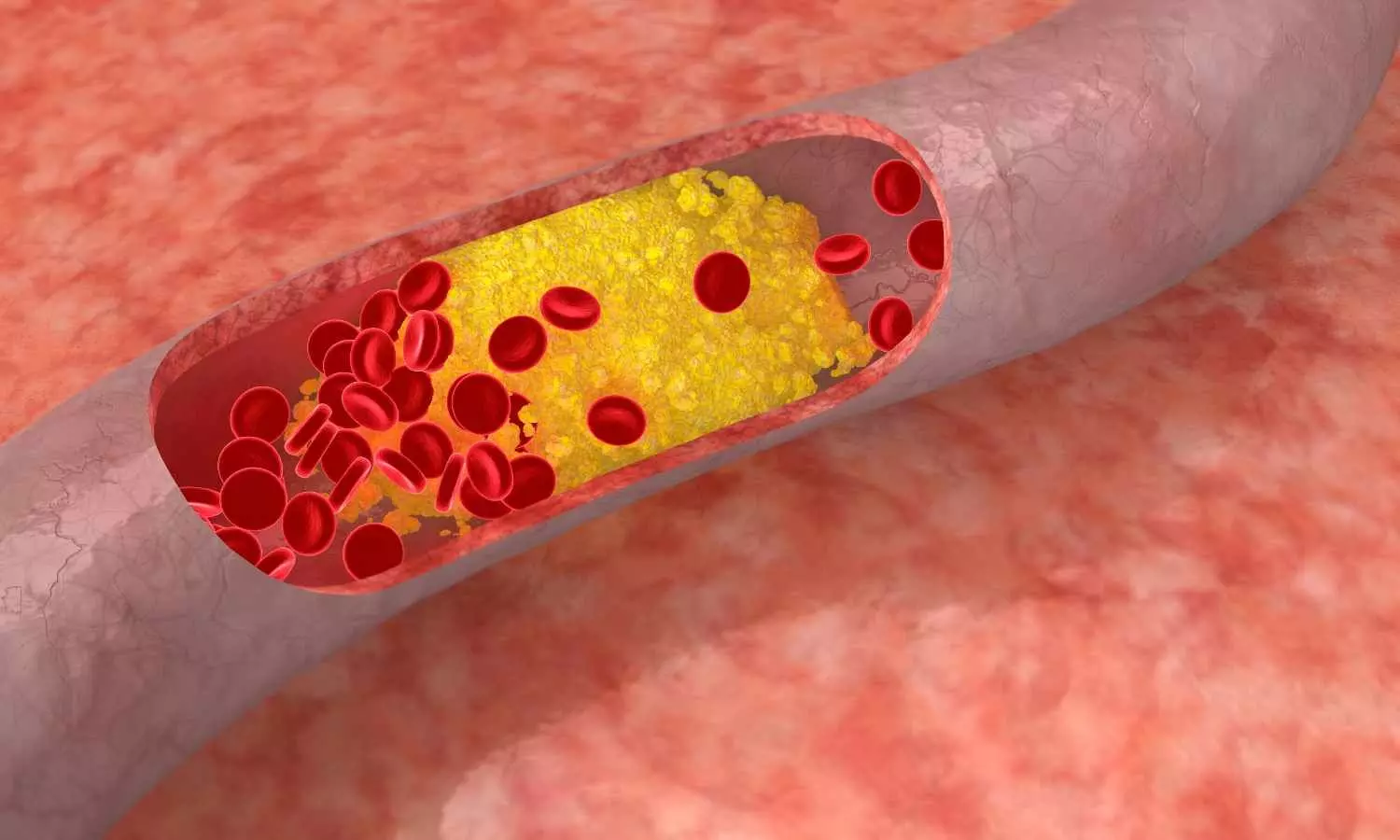


Women with the inherited cholesterol condition familial hypercholesterolemia may be at a slightly higher risk of developing pre-eclampsia, a pregnancy condition that can cause serious complications, according to a new study in the European Journal of Preventive Cardiology.
Familial hypercholesterolemia (FH) causes lifelong high cholesterol and substantially increases the risk of heart disease. It affects approximately 1 in 200 to 300 people, although most are undiagnosed.
People with hypercholesterolemia have elevated levels of total cholesterol in the blood, particularly LDL (or ‘bad’) cholesterol. Some studies have found links between the non-inherited form of hypercholesterolemia and differences in women’s reproductive health and pregnancy outcomes. However, there has been uncertainty because it is challenging to separate the effects of hypercholesterolemia and lifestyle-related factors.
The new observational study compared 484 women with FH and 968 matched controls, aged 40 and over, in the Netherlands and Norway. Researchers found similar reproductive health and pregnancy outcomes, but there was a higher prevalence of pre-eclampsia amongst women with FH (11 percent vs 7 percent amongst the control group).
Pre-eclampsia is characterised by high blood pressure in pregnancy in combination with organ damage and it can cause complications, including slower growth during pregnancy and premature birth. In some instances, complications can be serious and potentially life-threatening. There is no cure, but treatments and care plans can help women manage symptoms and keep the baby as healthy as possible.
The researchers stress that their findings do not mean an individual woman with FH will develop pre-eclampsia.
Study author Professor Jeanine Roeters van Lennep, from Erasmus MC, University Medical Center Rotterdam, said: “We found that pre-eclampsia was more common in women with familial hypercholesterolemia, but the difference in numbers was relatively modest. We hope these women will also feel reassured that we did not find significant differences around other reproductive health and pregnancy outcomes.”
The team says it may be useful for doctors to consider pre-eclampsia as part of their cardiovascular risk assessment, particularly when women are planning a pregnancy.
Study author Janneke Mulder, from Erasmus MC, University Medical Center Rotterdam, said: “As ours was an observational study, we cannot conclude that familial hypercholesterolemia or high LDL cholesterol causes pre-eclampsia. Nonetheless, reproductive health counselling should be considered as part of cardiovascular care for women with FH and potentially for women with hypercholesterolemia more broadly. Women with familial hypercholesterolemia who are planning pregnancy should discuss this with their healthcare team, including their cardiovascular risk factors, blood pressure and how lipid-lowering treatment should be managed around pregnancy.”
The researchers looked at aspects of the women’s reproductive health and pregnancy outcomes but did not find statistically significant differences across the groups. Women with FH had a comparable number of pregnancies.
Women’s reproductive health and cardiovascular health are linked. For example, starting menstruation or menopause at earlier ages is associated with increased cardiovascular risks. Cholesterol levels vary during the menstrual cycle and in pregnancy. Adverse pregnancy outcomes have also been associated with long-term cardiovascular risk. The researchers are keen to see further investigation of these issues.
Study author Julie van Oortmerssen, from Erasmus MC, University Medical Center Rotterdam, said: “We would like to see larger longitudinal studies examining women with different levels of lifelong LDL cholesterol exposure, and whether hypercholesterolemia combined with pregnancy complications such as pre-eclampsia identifies women at particularly high long-term cardiovascular risk. This could help identify women who may be at additional cardiovascular risk and whether they might benefit from closer follow-up or more intensive prevention strategies in the future.”
The researchers note that most of the women with FH in the study were on lipid-lowering therapies, but would probably only have started taking them in their 30s and 40s, when such therapies became widely available. They say further research would be needed to explore whether earlier or more intensive lipid-lowering therapies could reduce the risk of pre-eclampsia.
The researchers reached their conclusions after recruiting women from the Netherlands and Norway between 2023 and 2025. FH cases were matched 1:2 to controls on age, smoking status, BMI, and ethnicity. Information on reproductive factors and pregnancy outcomes was obtained via an online survey. The study predominantly included women of European ancestry, limiting generalisability to other populations.
Reference:
Janneke W C M Mulder, Julie A E van Oortmerssen, Marianne Klevmoen, Annette M H Galema-Boers, Eirin B Lovheim, Yvonne Louwers, Jenny A Visser, Eric Boersma, Kirsten B Holven, Maryam Kavousi, Jeanine E Roeters van Lennep, Reproductive factors in women with familial hypercholesterolaemia, European Journal of Preventive Cardiology, 2026;, zwag515, https://doi.org/10.1093/eurjpc/zwag515
