Large Coronary Clots in STEMI: Review Highlights Best Strategies to Improve Heart Outcomes
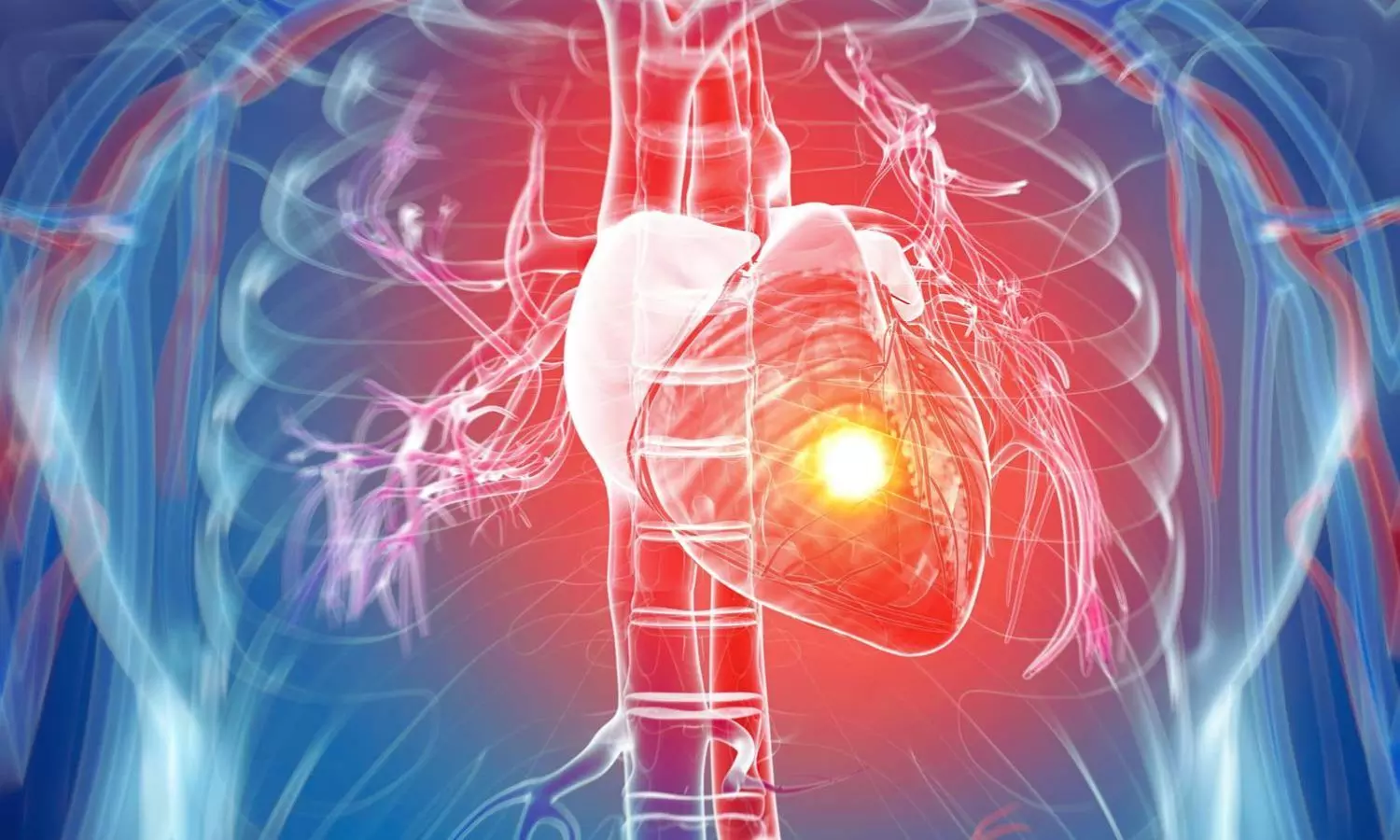


A comprehensive narrative review highlights that large thrombus burden (LTB) occurs in up to 90% of patients presenting with ST-segment elevation myocardial infarction (STEMI), increasing the risk of distal embolization, microvascular obstruction (MVO), and major adverse cardiac events (MACE). Optimal care requires an individualized strategy integrating contemporary pharmacological agents and mechanical devices during primary percutaneous coronary intervention (PPCI).
These findings are published in June 2026 in the Indian Heart Journal (IHJ).
The Clinical Burden of Intracoronary Thrombus
Acute coronary occlusion during STEMI stems from plaque rupture, triggering platelet activation and fibrin-rich clot formation. A high thrombotic load complicates PPCI by dislodging clot fragments into microvessels, causing MVO, stent thrombosis, and elevated mortality. Evidence emphasizes tailored management based on vessel size, coronary flow, and clot architecture.
The review synthesizes clinical evidence from randomized controlled trials (RCTs), observational registries, meta-analyses, and guidelines published between 2000 and 2026 across databases like PubMed. The evaluation clarifies the selective utility of oral dual antiplatelet therapy (DAPT), parenteral anticoagulation, glycoprotein IIb/IIIa inhibitors (GPI), intracoronary thrombolysis (ICT), mechanical thrombectomy, and stenting choices, offering a structured management algorithm.
The Key findings from the review include:
- Angiographic assessment using the Thrombolysis in Myocardial Infarction (TIMI) thrombus grading scale remains essential, where reclassified TIMI grade 4 after flow restoration confirms LTB and portends higher two-year MACE rates.
- Pharmacological foundation relies on rapid-onset oral DAPT using aspirin with prasugrel or ticagrelor alongside unfractionated heparin, while intravenous GPI and low-dose ICT are strictly reserved as bailout options for severe residual thrombus.
- Routine manual aspiration thrombectomy is discouraged based on stroke concerns and neutral outcome data in the Thrombus Aspiration in ST-Elevation Myocardial Infarction in Scandinavia (TASTE) and Thrombus Aspiration with PCI versus PCI Alone (TOTAL) trials, though selective bailout aspiration remains reasonable.
- Advanced mechanical thrombectomy systems—including Penumbra Indigo CAT RX continuous aspiration and Solitaire nitinol stent retriever evaluated in Stent-Retriever Thrombectomy in STEMI with Large Thrombus Burden (RETRIEVE AMI)—demonstrate effective clot extraction, though routine application awaits definitive trial evidence.
- Routine deferred stenting receives a Class III recommendation across major guidelines following neutral trial results, but selective deferral may benefit specific patients with severe residual thrombus despite restored flow.
Clinical Relevance and Targeted Management
For practicing cardiologists, the review underscores that no single intervention fits every STEMI presentation. While routine manual aspiration and deferred stenting lack broad trial backing, selective application in confirmed LTB remains crucial. Optimizing technique, utilizing potent P2Y12 purinergic receptor inhibitors, and deploying bailout ICT or mechanical thrombectomy ensure superior microvascular perfusion.
Reference
Dash D, Dash U, Mody R. Intracoronary thrombus in ST-segment elevation myocardial infarction: Practical management strategies for the interventional cardiologist. Indian Heart Journal. 2026 Jun 10;78(3):213-220.