Abrocitinib Improves Skin Microbiome in Atopic Dermatitis: Study
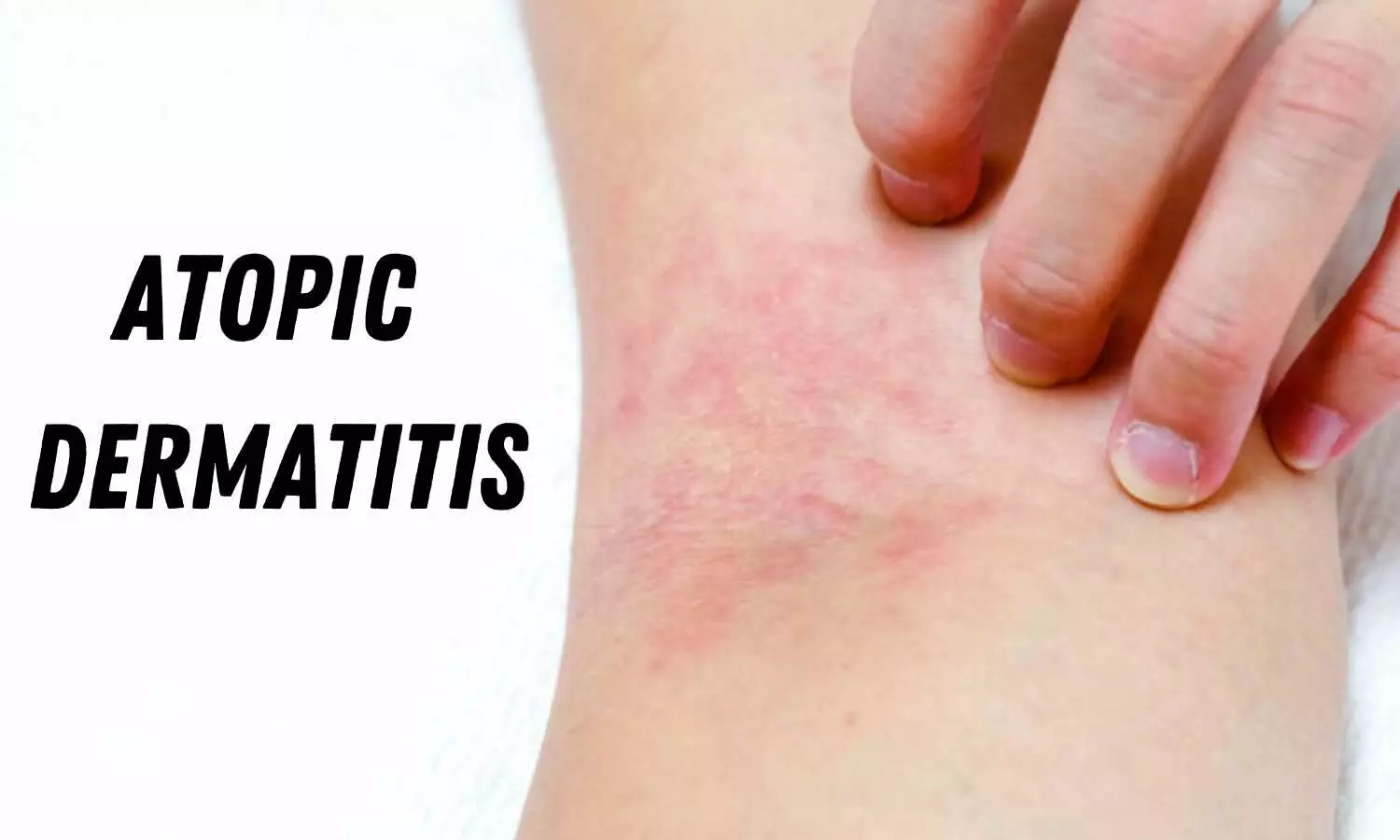


Researchers have found in a new study that treatment with abrocitinib, a selective JAK-1 inhibitor, was associated with favorable changes in the skin microbiome of patients with moderate-to-severe atopic dermatitis. The treatment reduced the abundance of Staphylococcus aureus and increased overall microbial diversity, suggesting that abrocitinib may help restore a healthier skin microbial environment alongside controlling AD inflammation. The study was published in the European Journal of Allergy and Clinical Immunology by Madeline K. and colleagues.
To understand the relationship between JAK1 inhibition, immune modulation, and cutaneous microbiota, patient information and skin samples were used in an analysis conducted as part of the randomized, double-blind JADE MOA study (NCT03915496). The sub-study included 43 adult subjects suffering from moderate to severe atopic dermatitis, who were randomly allocated to take once daily oral abrocitinib, in doses of 100 mg or 200 mg, or placebo for a period of 12 weeks.
Skin swab samples were systematically collected at baseline, Week 2, Week 4, and Week 12 in order to assess changes in the microbial ecology. High-throughput sequencing of the 16S rRNA gene was used to determine the bacterial alpha-diversity (species richness within the sample) and beta-diversity (composition of microbial communities between samples). Clinical evaluation was done along with scoring of disease severity and skin barrier function.
Key findings:
- Alpha diversity of bacteria significantly increased by Week 12 in patients who were treated with abrocitinib at high doses of 200 mg per day.
- Beta diversity analysis revealed a clear divergence of the abrocitinib groups from the placebo group as early as Week 2 of the drug treatment, a pattern which was consistent up to Week 12.
- The relative abundance of both total Staphylococcus and Staphylococcus aureus decreased in a clear dose-response fashion from Week 2 to Week 12 of abrocitinib treatment.
- Significant reduction of pathogenic bacteria was associated with improved clinical scores and markers of skin inflammation.
Targeted immunomodulation using the JAK1 inhibitor abrocitinib results in positive alterations in the skin microbiome composition of people with moderate to severe atopic dermatitis. The findings of this study show that the administration of abrocitinib helps decrease S. aureus colonization and positively affects bacterial alpha diversity depending on the dosage. It means that the mechanism of abrocitinib action is revealed to be double, as it positively affects both the immune system and the microbiome balance.
Reference:
M. Kim, E. Del Duca, J. Correa Da Rosa, et al., “ Effect of Abrocitinib on the Skin Microbiome in Patients With Moderate-to-Severe Atopic Dermatitis,” Allergy (2026): 1–9, https://doi.org/10.1111/all.70467.