Higher Vegetable Intake Linked to Lower Diabetes Risk: Study
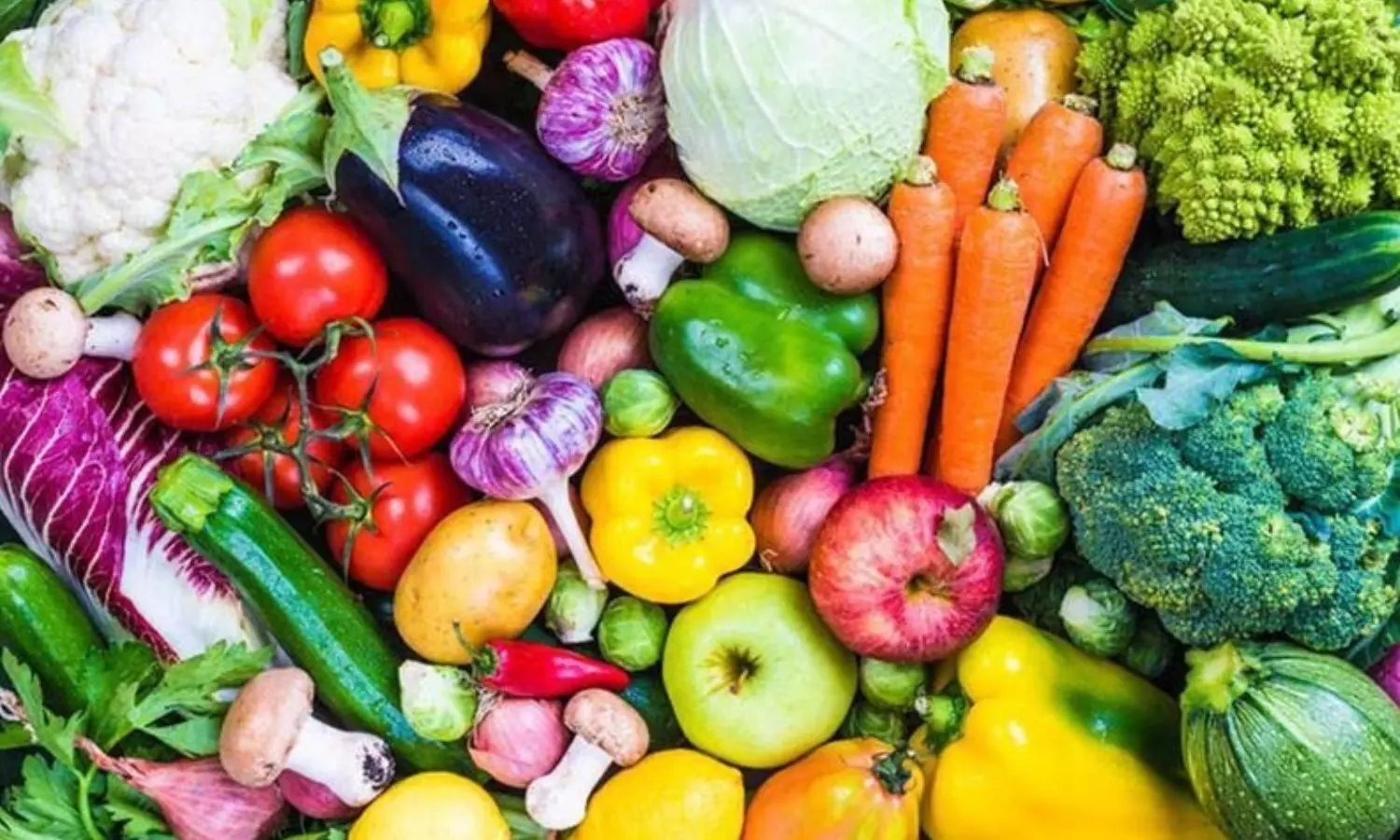


Researchers have discovered in a new cross-sectional study that higher vegetable consumption was associated with a lower risk of diabetes, suggesting a possible protective effect of vegetables. No significant relationship was found between diabetes risk and fruit or dairy intake. However, because the study was observational, causality cannot be established, and further longitudinal studies are needed to confirm these findings. The study was published in the Journal of Health, Population, and Nutrition by Nouri M and fellow researchers.
In order to have a highly representative profile of demographics, the study investigators used the data from a huge health registry that covered several provinces. The researchers utilized the data from the STEPS survey conducted over eight months, from April until November 2016, involving 30 different provinces in Iran. In terms of the number of people included, 30,541 adult patients above the age of 18 years were considered. These involved respondents coming from both rural areas and towns in order to have balanced geographic analysis.
Clinical technicians obtained the fasting blood sugar levels of all patients through the use of laboratory autoanalyzer machines, in order to determine their glycemic status. On the other hand, the field workers recorded their diet pattern intake through the structured STEPwise questionnaire developed by the WHO. In conducting the statistical analysis, their dietary intake was grouped into either less than 1, 1, 2, and more than 2 pieces for fruits and dairy products while more than 3, 3, 2, and less than 2 pieces for vegetables per day.
Key findings:
- The cross-sectional survey conducted at a national level managed to assess 30,541 adults aged 18 years and above from 30 provinces in Iran.
- There is a strong connection between eating two portions of vegetables daily and reduced odds of having diabetes with an odds ratio (OR) of 0.46 (95% CI: 0.31 – 0.66).
- Eating three portions of vegetables on a daily basis still had a very high significant negative correlation with an OR of 0.52 (95% CI: 0.36 – 0.76).
- Adults who consumed more than three portions of vegetables on a daily basis still exhibited lower odds of disease, with an OR of 0.55 (95% CI: 0.36 – 0.85).
- There is no statistical correlation between diabetes and fruit or dairy intake.
In summary, increased vegetable intake has an inverse correlation with diabetes prevalence in the current cross-sectional study, while there were no significant correlations noted between fruits or dairy products. The results obtained on a national level provide significant insight into the field of preventative nutrition and have demonstrated that increased intake of vegetables is a feasible and effective method of maintaining healthy glucose levels in the body. Nevertheless, since the study used the cross-sectional approach, which takes one snapshot of people’s health status, causal conclusions cannot be drawn from it.
Reference:
Nouri, Mehran, et al. "Higher Vegetable Intake Is Associated With Lower Diabetes Risk: Cross-sectional Evidence From the STEPS 2016 Survey in Iran." Journal of Health, Population, and Nutrition, 2026.