Use of ultra-fast acting insulin With smart insulin pump system Improves Glucose Control in Type 1 Diabetes: Study
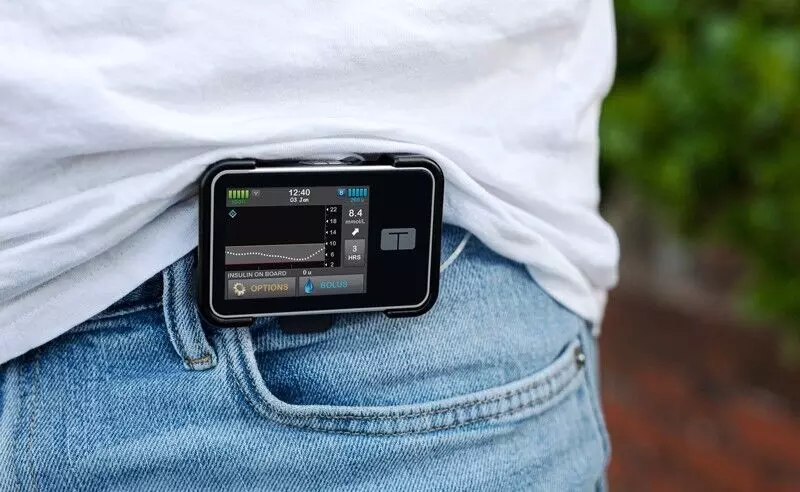


Children and adults with Type 1 Diabetes experienced improved glucose control when using ultra-fast acting insulin Lyumjev with the smart insulin pump system Medtronic MiniMed 780G, according to a clinical trial published in Diabetes Technology & Therapeutics.
The single-arm study showed significant improvements in time in range and other continuous glucose monitoring metrics during the final 6 weeks of therapy, surpassing predefined thresholds from the earlier MiniMed 670G pivotal trial. Importantly, no cases of diabetic ketoacidosis (DKA) or severe hypoglycemia were reported during the study, highlighting the safety of the combination therapy. Given the faster onset and shorter duration of action of ultra-rapid insulin lispro-aabc (URLi, Lyumjev™ insulin), compared with insulin lispro (a rapid-acting insulin [RAI]), the present study investigated the safety and glycemic outcomes of MiniMed™ 780G advanced hybrid closed-loop (AHCL) use with URLi in youths and adults with Type 1 Diabetes.
This 19-site, single-arm, clinical trial enrolled children and adolescents (aged 7–17 years) and adults (aged 18–80 years) with Type 1 Diabetes who underwent a run-in period (∼2 weeks) using open loop or automated basal only with an RAI (aspart or lispro), followed by a 3-month study period using URLi with AHCL (AHCL + URLi). End-of-study glycemic metrics and A1c were compared to predefined thresholds and to data from baseline/run-in. Use of recommended optimal settings (ROS, 100 mg/dL glucose target with an active insulin time [AIT] of 2 h) was also assessed.
In an intention-to-treat population (N = 101 pediatric and N = 110 adult participants), percentage of time in range (%TIR) during the last ∼6 weeks of the study period was significantly greater than the predefined thresholds for both the pediatric and adult participants. A1c was unchanged in the pediatric cohort but significantly reduced in the adult cohort. Compared with run-in, study period %TIR and percentage of time in tight target range (%TITR) were significantly increased. Additionally, % time above range for both groups was significantly reduced. Use of ROS allowed more participants to achieve recommended glycemic targets. There were no severe hypoglycemia or diabetic ketoacidosis events. Most caregivers agreed that mealtime versus premeal URLi delivery simplified pediatric meal management. Similar to previous studies investigating automated URLi delivery, URLi use in the MiniMed™ 780G system was safe, and glycemic outcomes were favourable for pediatric and adult participants.
Reference:
Akturk, Halis & Nally, Laura & Lal, Rayhan & Warren, Mark & Demeterco-Berggren, Carla & Forlenza, Gregory & Reed, John & Shulman, Dorothy & Kipnes, Mark & Bode, Bruce & Dewan, Asheesh & Liljenquist, David & Kudva, Yogish & Niu, Fang & Yovanovich, Caroline & Shin, John & Cordero, Toni & McVean, Jennifer & Vigersky, Robert & Bergenstal, Richard. (2026). Safety and Effectiveness of MiniMed™ 780G Advanced Hybrid Closed-Loop Use with Ultrarapid Insulin Lispro-AABC in Pediatric and Adult Type 1 Diabetes. Diabetes technology & therapeutics. 15209156261444994. 10.1177/15209156261444994.
Keywords:
Use, ultra-fast acting, insulin, smart, insulin, pump, system, mproves, Glucose, Control, Type 1 Diabetes, Study,Akturk, Halis & Nally, Laura & Lal, Rayhan & Warren, Mark & Demeterco-Berggren, Carla & Forlenza, Gregory & Reed, John & Shulman, Dorothy & Kipnes, Mark & Bode, Bruce & Dewan, Asheesh & Liljenquist, David & Kudva, Yogish & Niu, Fang & Yovanovich, Caroline & Shin, John & Cordero, Toni & McVean, Jennifer & Vigersky, Robert & Bergenstal, Richard.