Cereals Dominate School Lunchboxes, While Protein and Micronutrient-Rich Foods Remain Scarce: Study
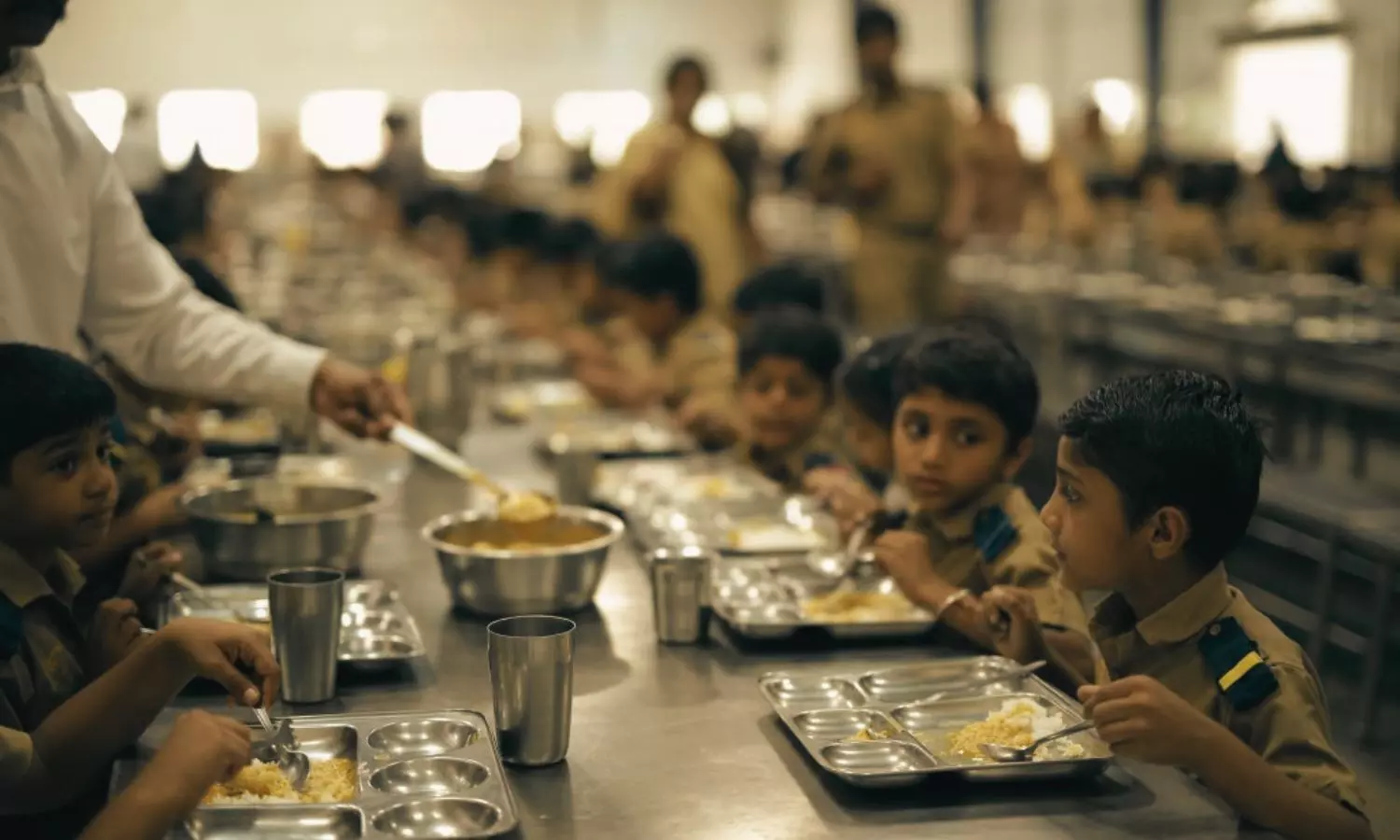


A recent cross-sectional study published in the Indian Journal of Nutrition and Dietetics in December 2025 reveals a stark lack of dietary diversity in the packed lunches of 126 Hyderabad school children. This alarming gap underscores an urgent need for robust lunch standards and nutritional education to safeguard pediatric health.
Establishing healthy childhood dietary habits is crucial for lifelong health; however, India faces a significant public health challenge in the form of a dual burden of malnutrition, encompassing both overnutrition and undernutrition, which directly impacts children's physical growth, cognitive development, and overall well-being. To address this clinical knowledge gap regarding the specific nutritional quality of meals consumed during school hours, Balaji Divya Rani and colleagues from the Maternal and Child Health and Nutrition Division at the Indian Council of Medical Research (ICMR)–National Institute of Nutrition (NIN), Hyderabad, in collaboration with Raja Sriswan M. from the Department of Physiology at Gandhi Medical College, Hyderabad, conducted a study to explore the dietary patterns of packed lunches brought by school children, focusing on the representation of various essential food groups.
Therefore, the cross-sectional study evaluated 126 high school students (90 private and 36 government) in Hyderabad by collecting data through questionnaires, lunchbox photographs, and Body Mass Index (BMI) assessments. Researchers then utilized Multiple Correspondence Analysis (MCA) to identify and compare distinct dietary patterns across these school settings.
Key Clinical Findings of the Study Includes:
Severe Dietary Homogeneity: Investigators demonstrated a concerning and widespread lack of overall food group diversity in the packed lunches of children from both private and government schools.
Starch-Heavy Private Lunches: Researchers revealed that cereals and other vegetables dominated private school lunchboxes, while critical micronutrient-dense food groups like green leafy vegetables, dairy, eggs, and flesh foods were rarely represented.
Protein-Deficient Government Lunches: The analysis indicated that government school children's lunchboxes were almost entirely centered on cereals, with minimal inclusion of crucial protein-rich or micronutrient-dense foods.
Distinct Dietary Profiles: MCA mapped clear behavioral divides among the cohorts, successfully distinguishing between plant-based versus animal-based diets and diverse versus starch-heavy eating patterns.
The results suggest that there are deep-seated nutritional imbalances in daily school meals, with data from 126 high school students demonstrating a significant deficit in essential micronutrients and proteins across diverse socioeconomic groups. This concerning trend emphasizes an urgent requirement to introduce robust school lunch standards and nutritional education programs to ensure children receive balanced sustenance.
Thus, the study concludes clinicians should utilize these findings to actively counsel families on home-packed lunch composition, emphasizing the integration of diverse food groups to prevent the long-term clinical consequences associated with the dual burden of malnutrition.
Although the research is constrained by a cross-sectional design and a modest sample of 126 students from a single district, it elegantly highlights the need for larger, multi-center longitudinal studies to track childhood dietary evolution and evaluate the efficacy of targeted school-based nutritional interventions.
Reference
Rani, B. D., Raja Sriswan, M., & Challa, S. R. (2025). Assessing the Dietary Patterns of Packed Lunches among High School Children in Hyderabad. Indian Journal of Nutrition and Dietetics, 62(4).