Single-Dose Denosumab Does Not Alter Glucose or Lipid Metabolism: Study
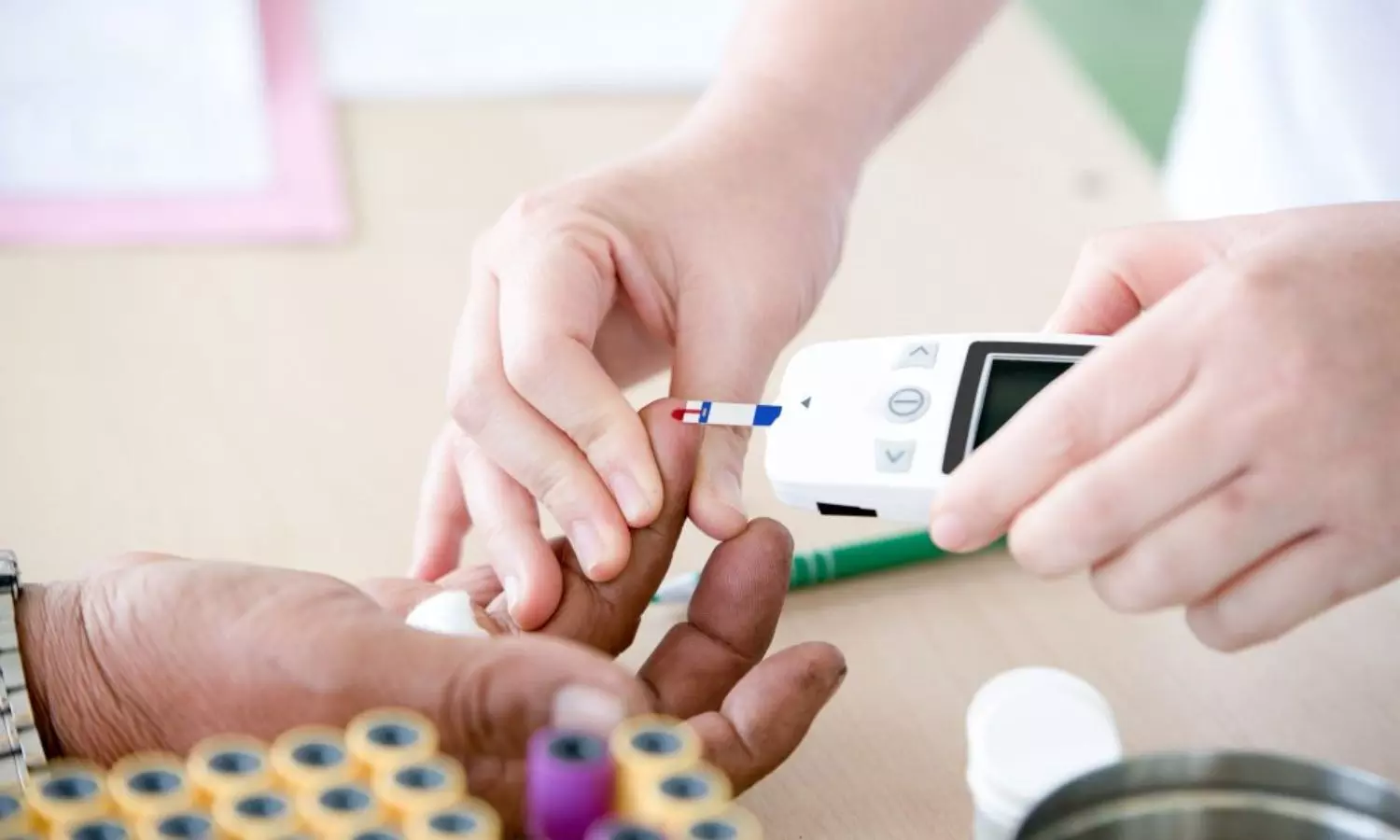


Researchers have found in a new study that among young infertile men without significant comorbidities, a single dose of denosumab had no measurable effect on glucose or lipid homeostasis. However, treatment was associated with a small increase in serum alanine aminotransferase (ALT) levels, indicating a mild effect on liver enzymes without evidence of major metabolic consequences.
Infertile men have an increased prevalence of metabolic syndrome. Denosumab has been shown to lower HbA1c in older patients with impaired glucose tolerance. We hypothesized that denosumab will lower HbA1c in a cohort of young infertile men.
This was a secondary analysis of a single-center, placebo-controlled randomized clinical trial comprising infertile men with no serious co-morbidities. Men were randomized 1:1 to receive a single s.c. injection of 60 mg denosumab or placebo. Prespecified secondary outcome variables included HbA1c, fasting glucose, fasting insulin, C-peptide, while the primary end point semen quality has previously been reported.
They randomized 100 infertile men and 92 were included in the final analysis. There were no differences between denosumab and placebo groups at day 80 or 160 for HbA1c, LDL, HDL or total cholesterol. For fasting patients (n = 44) there were no differences in plasma glucose, plasma insulin, C-peptide, or HOMA-IR. At day 160 alanine aminotransferase was higher in the denosumab group compared to placebo 8.3 U/L (95% CI 3.3 to 13.3). In a subgroup with high baseline serum cortisol, denosumab reduced HbA1c by 2.5 mmol/mol (95% CI -5.0 to -0.1) compared to placebo.
A single dose of denosumab had no effect on glucose- or lipid homeostasis but induced a small increase in serum ALT in young infertile men with no serious co-morbidities.
Reference:
Wriedt, E.B., Jorsal, M.J., Yahyavi, S.K. et al. Effects of a single-dose denosumab on glucose and lipid homeostasis in young infertile men. Endocrine 91, 215 (2026). https://doi.org/10.1007/s12020-026-04683-8