Pension is a constitutional right: Calcutta HC Grants relief to doctor's widow



Kolkata: The Calcutta High Court has held that pension is not a “bounty” or a “gratuitous payment”, but a statutory and constitutional right, while granting relief to the widow of a Residential Medical Officer (RMO) who was denied pensionary benefits despite serving for nearly two decades.
The case concerns the widow of an RMO who was appointed at Dum Dum Municipal Specialised Hospital in March 1994. He continued in service without any blemish until his death in July 2016, completing 22 years of service. After his demise, his widow applied for pension and retirement benefits. However, in 2024, the Director of Local Bodies rejected her claim, stating that his appointment was not against a “sanctioned post” and did not have prior state government approval. Challenging this, she approached the Calcutta High Court.
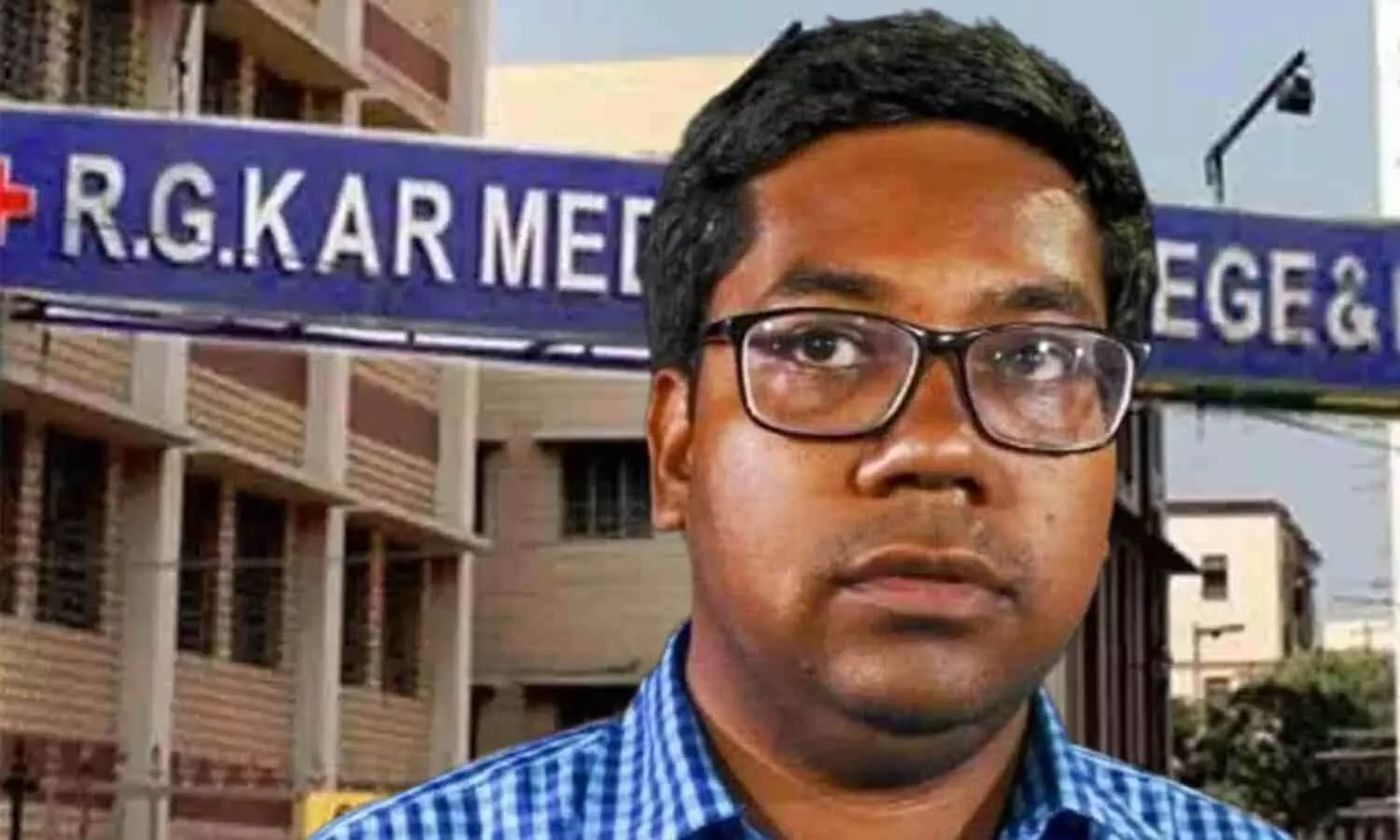
According to a media report by The Indian Express, Justice Gaurang Kanth, while hearing the matter, made it clear that pension cannot be treated as charity. The Court observed on February 5, “Pension is not a bounty or a gratuitous payment, but a deferred component of compensation for long and continuous service, and constitutes a valuable statutory and constitutional right.”
Appearing for the petitioner, Advocate Saptarshi Roy argued that the deceased doctor had served for more than 20 years and had been extended all benefits available to government employees during his tenure. He submitted that other similarly placed RMOs had been granted pension and retirement benefits, and therefore, post facto approval of the post should be granted in this case as well. On the other hand, Advocate Satyajit Mahata, representing the state and municipality, contended that in 1994 only two posts were legally created, yet four medical officers were appointed, making Dr Biswas’s appointment irregular.
Rejecting the state’s stand, the Court underscored the long and uninterrupted service rendered by the deceased medical officer. It noted that throughout his career, he was treated as a regular employee, paid from public funds, and granted service benefits under applicable norms. At no stage during his lifetime was the legality of his appointment questioned. The Court held that to deny pension after extracting more than twenty years of service would be wholly unjust, unfair, and arbitrary.
The High Court further emphasised that the consistent conduct of the authorities had created a legitimate expectation that the doctor would receive retirement benefits like his counterparts. The order stated that denial of pension in such circumstances is manifestly arbitrary and violates Article 14 of the Constitution of India, and also offends Article 21, since pension is an integral facet of the right to livelihood with dignity. The Court added that state action with such serious civil consequences must meet standards of fairness and reasonableness, which the impugned decision failed to do.
The bench further noted that other similarly situated RMOs appointed during the same period had been granted pensionary benefits pursuant to earlier judgments in 2007. The deceased doctor could not be singled out for hostile discrimination merely because there were excess appointments in that particular year. The municipality itself had made the appointment through a conscious decision of its board, and the doctor had been continuously accommodated in service for over two decades.
The Court also observed that the state and its instrumentalities, having treated the petitioner as a regular employee and benefited from his services, cannot resile at the stage of retirement. It held that the burden of any administrative lapse cannot be shifted onto the deceased employee, and denial of pension on a hyper-technical plea reflects an arbitrary exercise of power.
Setting aside the state’s order, the Calcutta High Court thus upheld the widow’s right to pensionary benefits, reinforcing that pension is a constitutional and statutory entitlement earned through dedicated medical service, not a discretionary favour.