FDA Advisory Panel Backs Moderna's mRNA Flu Vaccine for Adults Aged 50 and Older
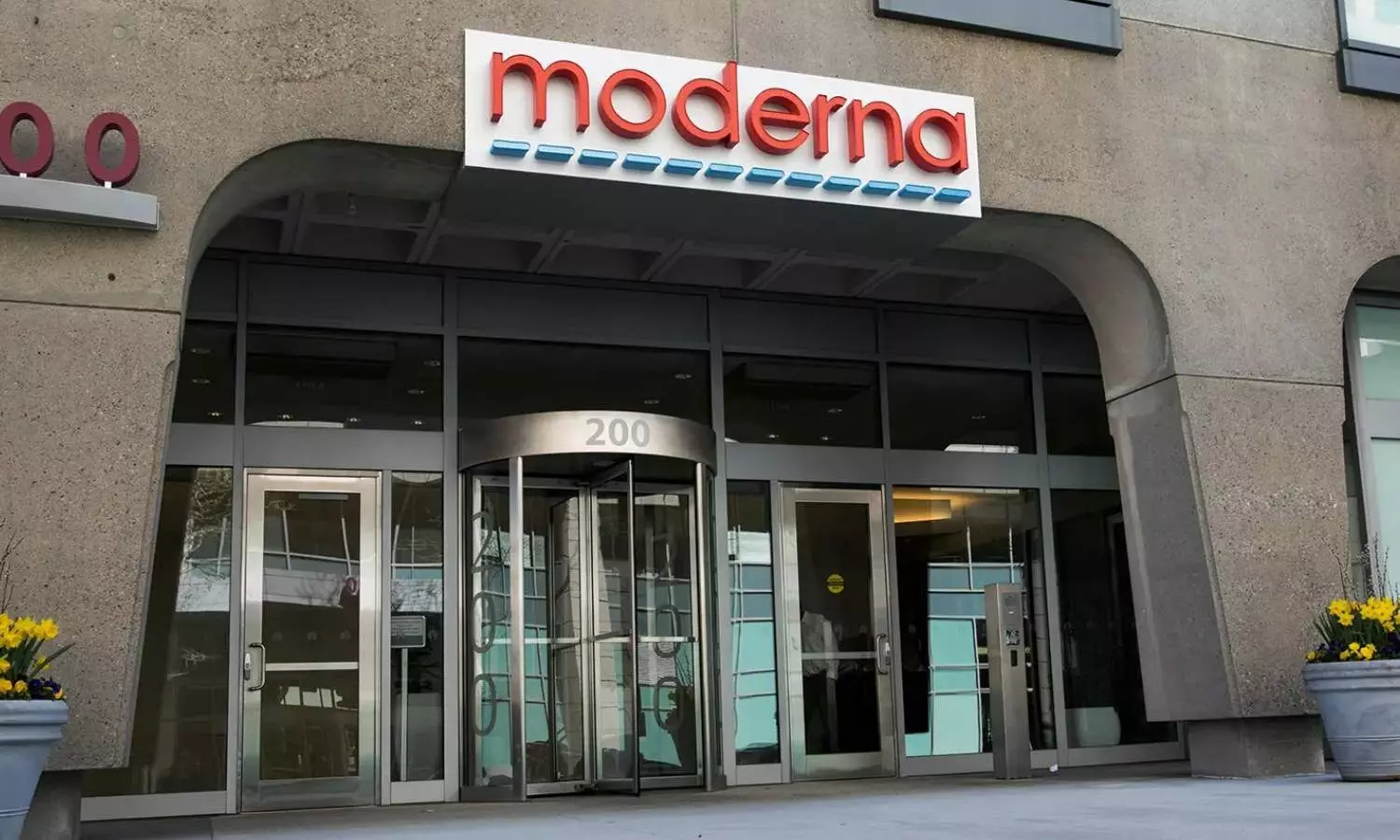


Bengaluru: Advisers to the U.S. Food and Drug Administration on Thursday backed approval of Moderna's flu vaccine for adults aged 50 and older, saying its benefits outweigh the risks, boosting the company's chances of launching the first mRNA-based seasonal flu shot.
The nine panel members voted unanimously in favor of use of Moderna's shot mFlusiva in adults aged 50 to 64, as well as for those 65 and older, which has faced additional regulatory hurdles.
The FDA's Vaccines and Related Biological Products Advisory Committee meeting was seen as a test of whether the agency is reverting to its longstanding approach to vaccine reviews after recent leadership turnover.
Under former FDA Commissioner Marty Makary and his lieutenants, the FDA had rejected Moderna's initial application for the shot, before reversing course.
The advisers on Thursday reviewed data submitted by Moderna, which the company said shows its vaccine outperformed standard-dose shots in adults aged 50 to 64. The Massachusetts-based company also argued that a separate, smaller study showed its vaccine generated a strong immune response compared with a high-dose flu vaccine in adults 65 and older.
The mRNA vaccine technology allows for more rapid manufacturing, which carries the potential to facilitate a more precise seasonal influenza strain selection, said Joseph Kulinski, chair of the FDA's Review Committee.
Traditional vaccines require several months from strain selection to available supply. Because of that, the flu strain selected each year is chosen months earlier than the COVID vaccine strain for the same season.
A Moderna executive said the company's goal was to be able to deliver the vaccine to patients for the upcoming flu season.
An FDA approval decision on the vaccine is expected by August 5. Jefferies analyst Andrew Tsai has forecast $750 million in U.S. sales of Moderna's flu shot and combination COVID-flu vaccine by 2030.
Moderna is under pressure to prove the long-term commercial potential of its mRNA technology, which powered its blockbuster COVID-19 vaccine and helped establish the platform during the pandemic, but has met with resistance from current U.S. health officials.
Moderna is seeking a traditional approval for the shot for adults aged 50 to 64, and an accelerated approval, which requires the company to conduct additional studies to confirm the vaccine's benefit, for older adults.
Moderna has agreed to run an additional study and submit more data in adults 65 and older if it gets approval for that age group.
REGULATORY TURMOIL
Under Health Secretary Robert F. Kennedy Jr. , a longtime anti-vaccine activist, and Makary, the agency stepped up its scrutiny of vaccines, narrowing approvals, rather than allowing the CDC and its advisers to make those recommendations.
Makary and then-top vaccine official Vinay Prasad left the agency following a series of controversies over vaccine and rare-disease drug reviews, including Moderna's flu vaccine application.
Acting Commissioner Kyle Diamantas has since moved to stabilize agency operations and repair relations with the biotech sector after months of upheaval.
If approved, Moderna's shot would be the first seasonal flu shot in the U.S. made with mRNA technology. It would compete with flu vaccines from Sanofi, GSK, CSL Seqirus and AstraZeneca.