ctDNA Tracking and Novel Degraders Cut Breast Cancer Progression Risk by 54 Percent, Suggests Review
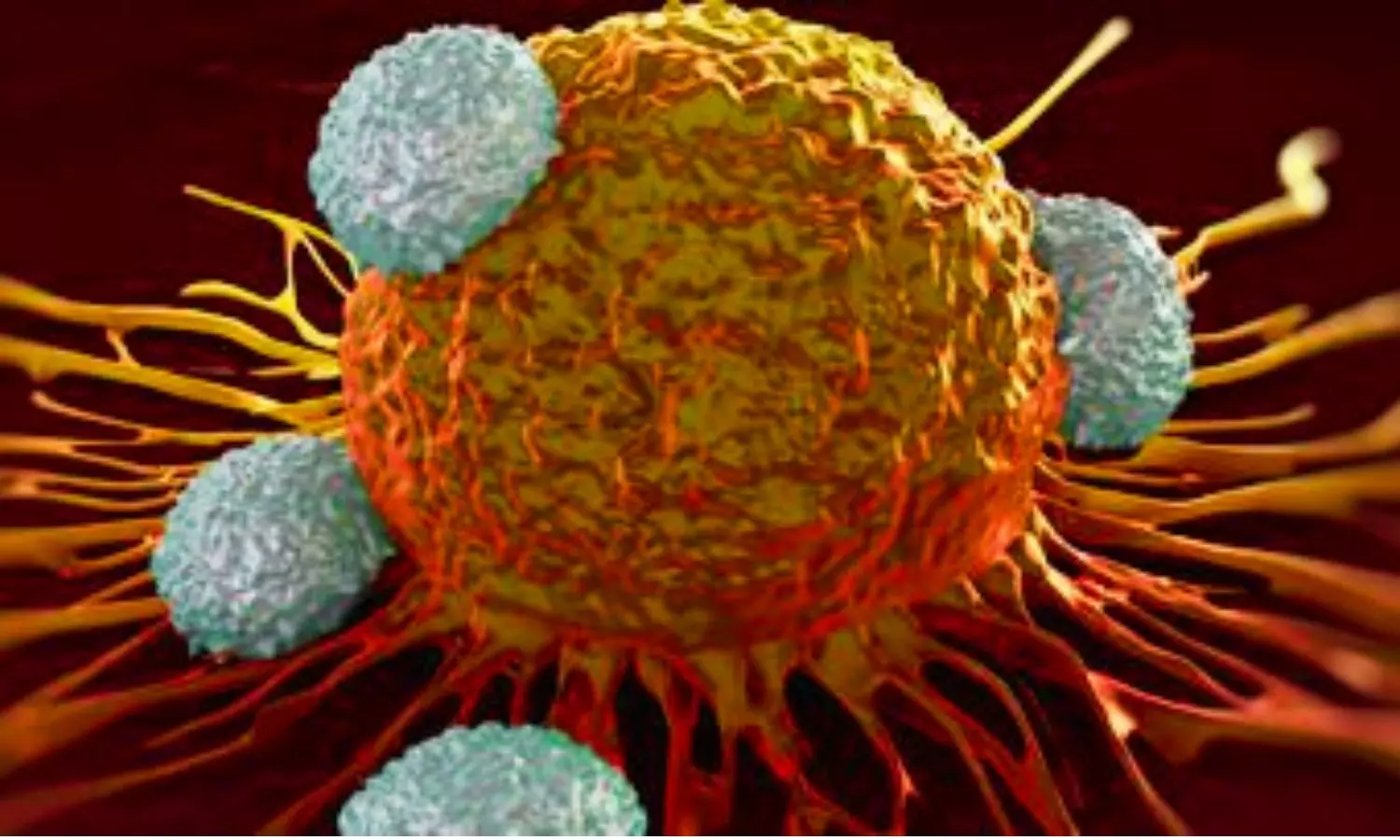


A recent narrative review published in the Indian Journal of Cancer in October 2026 shows that combining real-time circulating tumor DNA (ctDNA) tracking with novel degraders reduces disease progression risk by up to 54% (hazard ratio [HR]: 0.46) prior to imaging detection. This transformative strategy directly targets acquired estrogen receptor 1 (ESR1) gene mutations found in 20% to 40% of aromatase inhibitor-treated estrogen receptor-positive/human epidermal growth factor receptor 2-negative (ER+/HER2−) metastatic breast cancers.
While standard first-line endocrine therapy combined with cyclin-dependent kinase 4/6 (CDK4/6) inhibitors significantly improves survival in ER+/HER2− metastatic breast cancer, acquired resistance driven by ligand-binding domain mutations in the ESR1 gene creates a major clinical hurdle by causing ligand-independent receptor activation. To bridge this clinical gap, Dr. Ulagarasi Rajendran and colleagues from the Department of Pathology at Sri Lalithambigai Medical College and Hospital, Dr. M.G.R. Educational and Research Institute, Chennai, India, conducted this narrative review to establish an evidence-based clinical platform integrating ctDNA liquid biopsy and novel targeted therapies for precision disease management.
Therefore, the narrative review synthesized clinical literature from January 2019 to mid-2026 evaluating novel targeted therapies and combinations in ER+/HER2− metastatic breast cancer. Excluding non-clinical studies and meta-analyses, it focused on progression-free survival, safety, and circulating tumor DNA molecular dynamics via digital droplet polymerase chain reaction or next-generation sequencing.
Key clinical findings from the review include:
- Pre-Progression Therapy Switch: The study highlights that ctDNA-guided pre-emptive switching to camizestrant before radiographic progression significantly extended median progression-free survival (mPFS) to 16.6 months compared to 9.2 months with continued aromatase inhibitor therapy (HR: 0.46, 95% confidence interval [CI]: 0.34–0.62).
- First Approved Oral SERD: The study reports that elacestrant monotherapy nearly doubled mPFS over standard endocrine therapy in the ESR1-mutant population (3.8 vs. 1.9 months; HR: 0.55, 95% CI: 0.39–0.77).
- PROTAC Degradation Efficacy: Rajendran notes that the novel oral PROTAC vepdegestrant demonstrated superior mPFS compared to intramuscular fulvestrant in ESR1-mutant disease (5.0 vs. 2.1 months; HR: 0.57, 95% CI: 0.42–0.77).
- Combination Therapy Advantage: The review demonstrates that combining imlunestrant with abemaciclib substantially prolonged mPFS over monotherapy in the overall population (9.4 vs. 5.5 months; HR: 0.57) and in ESR1-mutant subgroups (HR: 0.62).
- Pathway Inhibition Synergy: The study highlights that adding capivasertib or everolimus to endocrine backbones significantly improved outcomes in biomarker-selected co-altered populations (evERA ESR1-mutant HR: 0.38).
The results suggest that somatic ESR1 ligand-binding domain mutations (notably Y537S and D538G) acquired under aromatase inhibitor pressure in 20% to 40% of patients drive ligand-independent signaling that is potently targeted by novel oral degraders, yielding 38% to 54% progression risk reductions. Furthermore, incorporating longitudinal ctDNA monitoring enables early detection of emergent mutant clones, allowing proactive treatment adaptation prior to clinical failure.
Thus, the study concludes that clinicians are encouraged to consider serial circulating tumor DNA testing upon progression or during surveillance to identify actionable ESR1 mutations, thereby guiding timely transition to biomarker-directed oral degraders or targeted combination therapies.
While tumor heterogeneity, clonal hematopoiesis interference, testing costs, and unstandardized variant allele fraction thresholds currently limit universal application, ongoing prospective research is actively refining optimal surveillance intervals, treatment sequencing, and multi-omic prediction models to maximize clinical benefit.
Rajendran U, Sekar A, Padmavathy K, Jethani P, Thanigavel P. ESR1 mutations and endocrine resistance in ER-positive breast cancer: Molecular mechanisms, liquid biopsy, and emerging targeted therapies. Indian J Cancer 2026.