
Dual Column Screws: Equal Stability, Lower Morbidity in Acetabular Fixation, Suggests Study
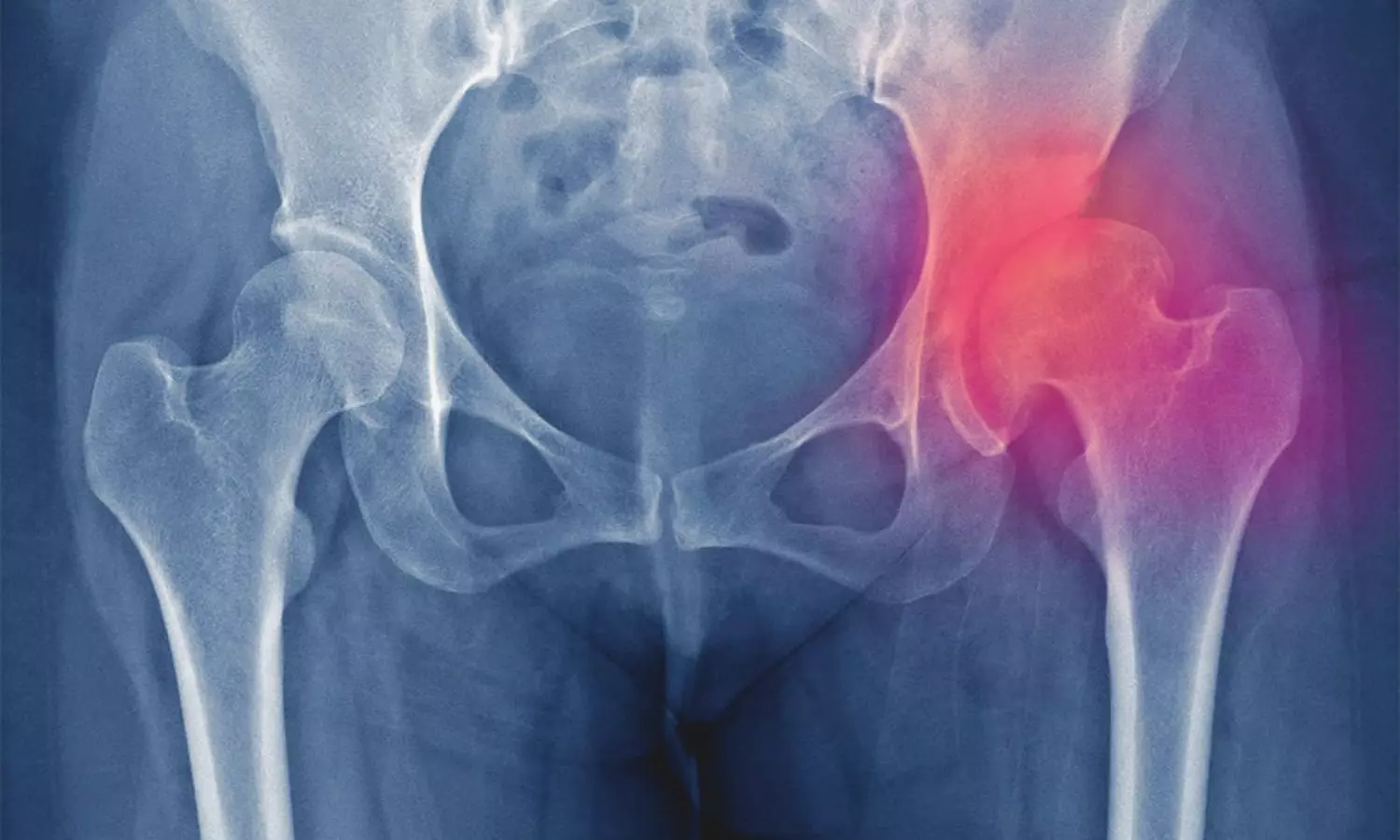


A recent study published in the Indian Journal of Orthopaedics in May 2026 suggests that dual column screw fixation for transverse acetabular fractures achieves radiological stability and reduction maintenance identical to traditional plating, yet with significantly lower operative time and blood loss
Orthopedic surgeons have long debated the most effective surgical approach for stabilizing transverse acetabular fractures, balancing the need for rigid fixation with the goal of minimizing surgical trauma to the patient. Seeking to address the clinical gap regarding whether percutaneous or limited-open screw constructs can match the mechanical performance of traditional plates, Sunit Hazra and his colleagues from various Indian medical institutions set out to evaluate if the strength of both column screws could sufficiently withstand physiological hip joint loads while reducing overall patient morbidity.
Therefore, the study compared three fixation strategies in 44 patients with non-comminuted transverse acetabular fractures: isolated dual column screws (Group A), anterior screw/posterior plate (Group B), and anterior plate/posterior screw (Group C). Primary endpoints focused on operative morbidity (blood loss and surgical time), while secondary measures evaluated radiological stability through Matta accuracy and maintenance of the femoral head's center of rotation
Key Clinical Findings of the Study Includes:
Equivalent Reduction Maintenance: The study confirmed that there was no statistically significant variance in the loss of reduction between the three groups, as measured by post-operative fracture gaps or steps at the eight-week mark.
Rotational Stability: Tracking the horizontal and vertical center of rotation of the femoral head at twelve weeks showed that both column screws effectively resisted physiological displacement just as well as plate combinations.
Superior Surgical Efficiency: Operative time was notably reduced in the screw-only group, providing a clear advantage for surgical teams looking to minimize the duration of the procedure.
Hemodynamic Benefits: Group A exhibited significantly less intraoperative blood loss compared to Groups B and C, which is a crucial consideration for reducing patient morbidity and the need for transfusions.
Consistent Imaging Requirements: Despite the precision required for screw placement, intraoperative radiation exposure remained comparable across all three methodologies, ensuring that the simpler fixation method does not pose additional fluoroscopic risks.
The results suggest that dual column screw fixation offers a robust and effective alternative to traditional plate-screw constructs for managing non-comminuted transverse acetabular fractures. By achieving comparable radiological success with significantly improved operative metrics, this approach stands as a viable primary strategy for clinicians.
Thus, the study conclude clinicians might consider utilizing isolated column screw fixation to optimize patient outcomes by reducing surgical time and blood loss without compromising the stability of the fracture reduction.
While these findings are promising, the study was limited by its specific focus on fractures without significant comminution, suggesting that broader investigations with larger sample sizes may be beneficial to further refine these surgical indications.
Reference
Hazra, S., Ghosh, S., Chandra, M., Basu, A., Kumar, S., Mondal, S., & Pal, S. (2026). Results of Transverse Acetabular Fracture Fixation with Both Column Screws Only Versus Plate and Column Screw Combination: A Comparative Analysis for Choosing the Best Method. Indian Journal of Orthopaedics.
