Stimulant Medications May Benefit ADHD With Stimulant Use Disorder, finds study
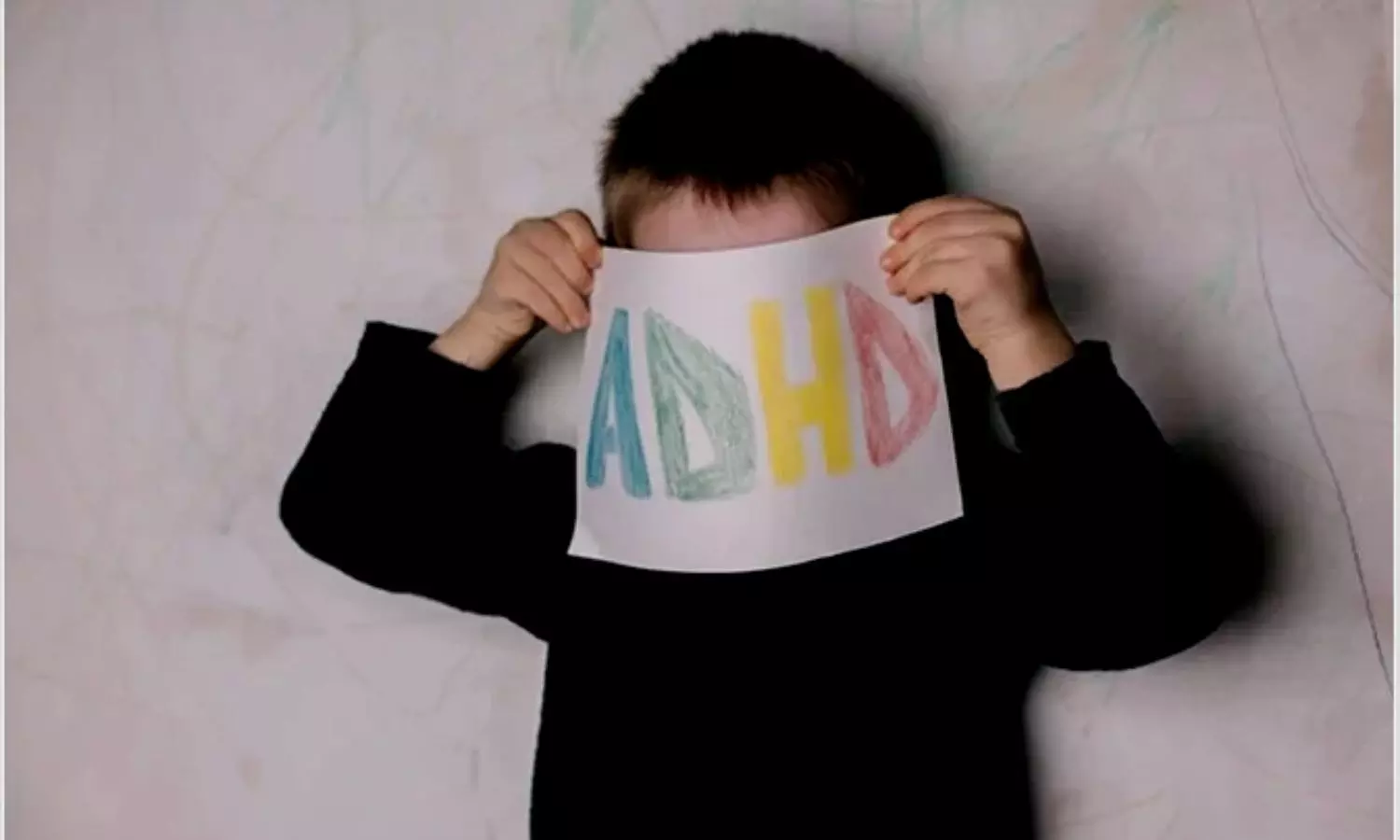


A six-study meta-analysis has found that stimulant-based treatments, particularly higher-dose methylphenidate and mixed amphetamine salts, were more effective than placebo in improving both ADHD symptoms and measures of stimulant use. The findings suggest potential benefits of stimulant pharmacotherapy in patients with co-occurring ADHD and stimulant use disorder. The study was published in The Journal of Clinical Psychiatry by Henrique N. and colleagues.
To study the efficacy of the pharmacotherapy treatment method, researchers conducted comprehensive database searches for information from PubMed, Embase, Scopus, Web of Science, and ClinicalTrials.gov from inception until February 2026 without any language limitation. Of 4,152 studies that were obtained initially, only six trials satisfied the inclusion criteria of testing pharmacologic treatments in adults with concurrent StUD and ADHD diagnoses and providing information about stimulants use and ADHD outcomes.
Studies were excluded if they were reviews, abstracts or if they did not provide the analysis of both disorders at the same time. The data was extracted on continuous abstinence, negative urine toxicology ratio and decrease in ADHD symptoms. Among the studied drugs were MPH, MAS, and bupropion, with standardized mean differences (SMD), odds ratios (OR) and P-scores used as criteria for establishing the probability of treatment ranking.
Key findings:
- MAS demonstrated the largest clinical benefit compared to placebo, yielding an odds ratio (OR) of 8.45 (95% CI, 2.55–27.98; P = 0.0005). In dose-specific network rankings, the MAS 80-mg formulation achieved the highest-ranking probability with a P-score of 0.846.
- Active pharmacotherapy significantly increased the overall odds of negative urine toxicologies compared with control groups (OR=1.65; 95% CI, 1.01–2.71; P=.05). The highest dose of MAS once again secured the top network rank (P-score = 0.890).
- Active treatments generated a statistically significant reduction in ADHD symptom severity relative to placebo (SMD=–0.59; 95% CI, –0.94 to –0.23; P = 0.001). The most pronounced symptom alleviation was driven by high-dose MPH at 180 mg, which achieved the leading ranking probability (P-score = 0.899).
Most importantly, the results of the trial analysis showed that the general safety profile of these high-dose pharmacotherapies was not much different from the placebo treatment.
Overall, pharmacological interventions using stimulants, specifically high dose of MPH and MAS, resulted in better results concerning use of stimulants and ADHD symptoms. It is important to note that although the above-mentioned findings provide strong evidence for using an optimal dose of stimulants, researchers believe that there is still a need for randomized studies on the issue.
Reference:
Henrique N. P. Oliva, MD, PhD; Alejandra Pulido-Saavedra, MD; Alisson M. Paredes Naveda, MS; Emerson Forselius, BS; Marc N. Potenza, MD, PhD; Oluwole O. Jegede, MD, PhD; Gustavo A. Angarita, MD, MHS. J Clin Psychiatry 2026;87(4):26r16478