
Tofacitinib Lowers KL-6, and May Slow RA-associated ILD Progression, Finds Study
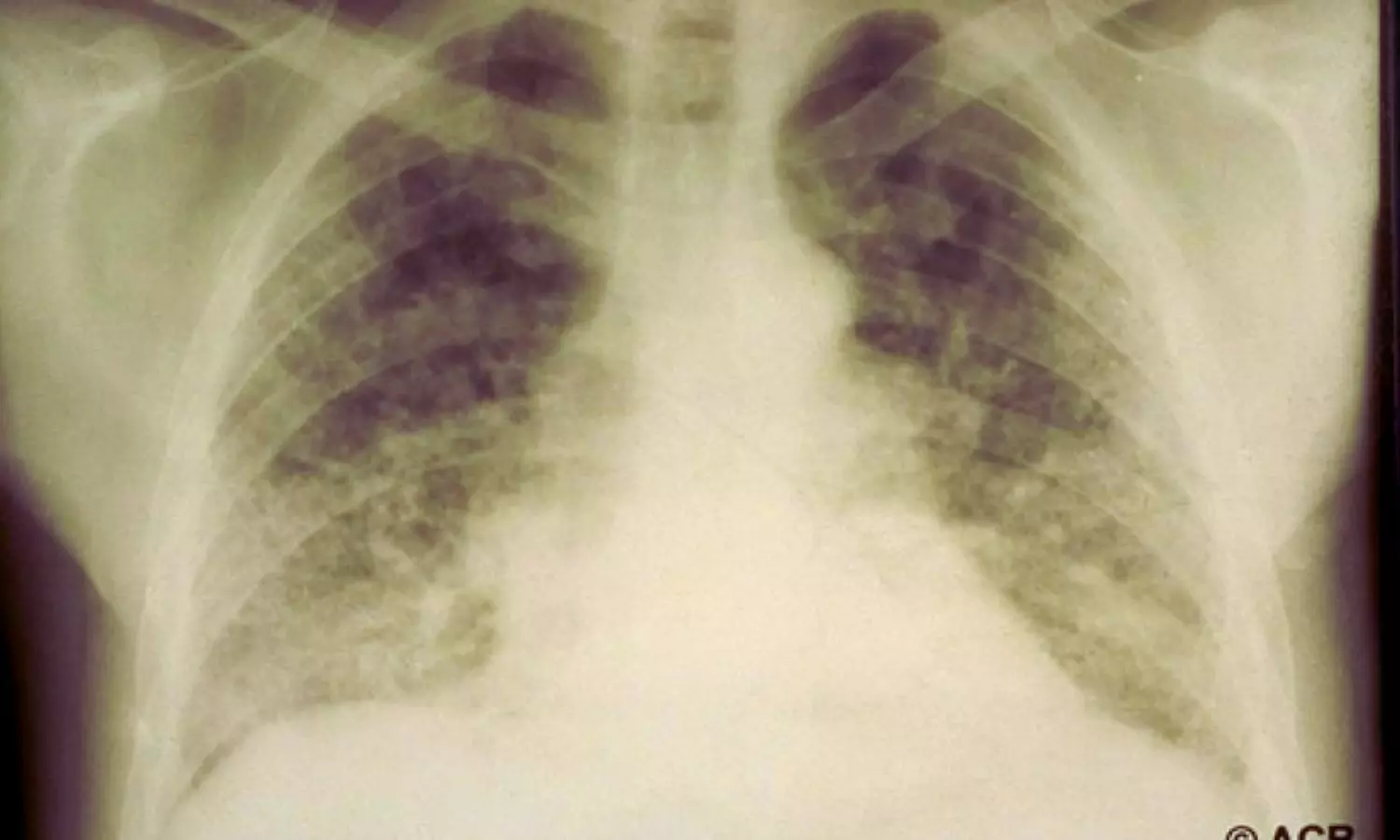


Mexico: Researchers have found in a new study that among patients with rheumatoid arthritis-associated interstitial lung disease (RA-ILD), tofacitinib was associated with reduced KL-6 levels, improved RA disease activity, and a potentially slower decline in pulmonary function. The findings suggest a possible dual benefit in controlling systemic disease while limiting pulmonary progression, with mortality, adverse events, and progressive pulmonary fibrosis also assessed.
The phase II investigator-initiated study, published in Respiratory Medicine, was conducted by Jorge Rojas-Serrano, Clínica de Reumatología, Instituto Nacional de Enfermedades Respiratorias Ismael Cosío Villegas, Mexico City, Mexico, and colleagues. The researchers evaluated the safety and clinical effects of tofacitinib in patients with RA-ILD over 48 weeks, with particular attention to KL-6, a biomarker associated with interstitial lung disease.
RA-ILD is a serious extra-articular manifestation of rheumatoid arthritis that can lead to progressive lung damage and impaired respiratory function. Although treatments are available for rheumatoid arthritis and progressive fibrotic lung disease, evidence regarding the role of targeted immunomodulatory therapies such as tofacitinib in RA-ILD remains limited.
The study enrolled patients with RA-ILD who received tofacitinib 5 mg twice daily for 48 weeks. Safety was assessed as the primary outcome, while secondary measures included changes in forced vital capacity (FVC), disease activity, KL-6 concentrations, and the occurrence of a combined outcome comprising death or progressive pulmonary fibrosis (PPF).
Key findings:
- A total of 39 patients participated in the phase II trial.
- 36 patients (92%) experienced at least one adverse event, with upper respiratory tract infections reported most frequently.
- Three patients died during the study period.
- The combined outcome of mortality and/or progressive pulmonary fibrosis occurred in 15 patients, corresponding to 38.5 events per 100 patient-years.
- By the end of 48 weeks, 51% of patients had achieved low rheumatoid arthritis disease activity, based on the Simplified Disease Activity Index (SDAI).
- The change in FVC at 48 weeks was −72 mL, indicating a relatively modest decline in pulmonary function over the follow-up period.
- Mean serum KL-6 levels decreased from 34,358 mU/mL at baseline to 32,191 mU/mL at 48 weeks, representing a decline of approximately 2,167 mU/mL.
- Nine patients started nintedanib during the study, but KL-6 reduction did not differ significantly between patients who received nintedanib and those who did not.
- The occurrence of adverse events was also not significantly different according to nintedanib use.
The investigators concluded that the study provides estimates of adverse events, mortality, progressive pulmonary fibrosis, changes in FVC, and achievement of low disease activity among patients with RA-ILD receiving tofacitinib. The observed reduction in KL-6, together with improvements in rheumatoid arthritis disease activity and the measured change in lung function, suggests that further research may be warranted to clarify the potential pulmonary benefits of tofacitinib in RA-ILD.
"Given the small sample size and phase II design, larger controlled studies will be needed to establish its efficacy and long-term safety in this population," they wrote.
Reference:
Rojas-Serrano, J., Ramos-Martínez, E., Mejía, M., Castillo-López, M. F., Lira-Boussart, V., Rivero-Gallegos, D., García-Carmona, S., Pérez-Rubio, G., & Falfán-Valencia, R. (2026). Tofacitinib Reduces KL-6 Levels in Patients With Rheumatoid Arthritis-Associated Interstitial Lung Disease. Results Of A Phase II Investigator-Initiated Study. Respiratory Medicine, 109150. https://doi.org/10.1016/j.rmed.2026.109150

Next Story