Can you ban the whole app? Delhi HC reserves verdict on Telegram's challenge to NEET re-exam restrictions
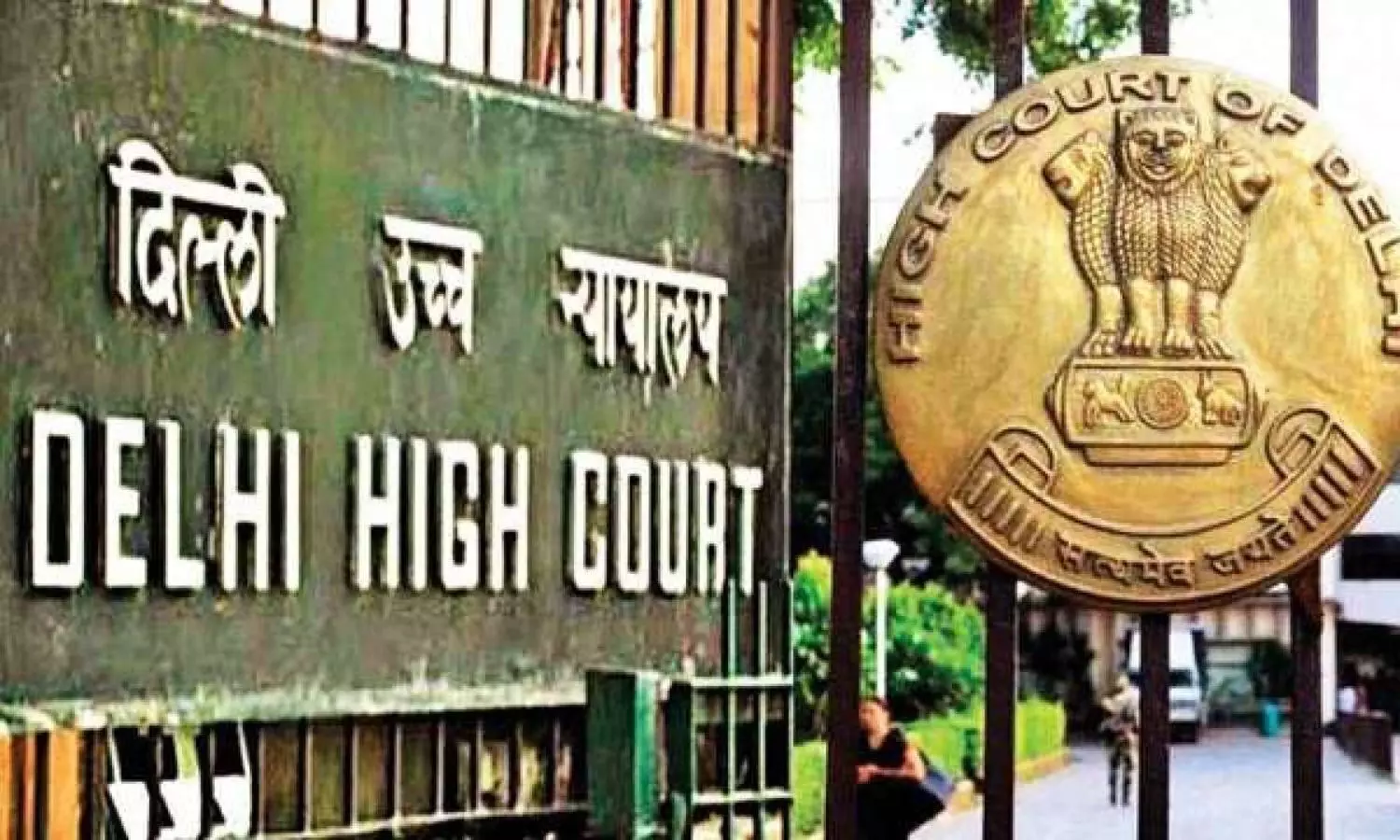
Delhi High Court


New Delhi: Observing that the main issue was whether the Centre's powers under Section 69A of the Information Technology Act had been exercised 'in letter and spirit' and whether authorities could ban an entire platform to address specific concerns, the Delhi High Court reserved its judgment on Telegram's challenge to the government's temporary restrictions imposed ahead of the NEET 2026 re-exam on June 2.
Single Bench Justice Tejas Karia reserved orders on Thursday after hearing arguments from Telegram and the Centre, while allowing parties to place additional submissions on record by 7 PM on Thursday.
Telegram challenged the Centre's order restricting access to the messaging platform until June 22 and disabling its message-editing feature until June 30, arguing that the measures are disproportionate and legally unsustainable.
Telegram Banned
Ahead of the NEET UG 2026 re-examination scheduled for June 21, Telegram has been temporarily banned in India in the wake of cheating rackets duping aspirants. The National Testing Agency (NTA) has welcomed the central government's decision to impose temporary restrictions on the Telegram platform.
The Ministry of Electronics and Information Technology (MeitY) has directed that access to Telegram to be restricted in India until June 22, covering the examination day and its immediate aftermath.
In addition, Telegram has been instructed to disable its message-editing feature in India until June 30, addressing the specific structural feature through which the platform has been used to fabricate after-the-event “paper leak” evidence in respect of national examinations.
The measures have been taken in response to several Telegram channels that were allegedly being used by cheating rackets to spread false claims about leaked NEET question papers and to defraud students and their families.
This comes after the recent arrest of two Rajasthan-based men by the Cyber Crime Cell which has exposed a large online fraud network that allegedly targeted students and parents with false promises of access to RE-NEET examination papers.
According to police, the duo allegedly operated nearly eight Telegram channels and used them to attract students by posting sensational claims about examination leaks and insider information. Victims were then asked to transfer money through online payment platforms in exchange for the promised material.
The investigators found that over 1,500 students or their kin were cheated of Rs 1.5 crore by the frausters. More arrests are likely in the case.
Telegram moves Delhi HC
Following the temporary ban, Telegram has moved the Delhi High Court challenging the centre's decision. The matter was mentioned urgently before a vacation bench, which agreed to hear the plea later in the day.
Telegram has argued that the restriction has impacted more than 150 million users across the country.
The Centre imposed the temporary block following a request from the National Testing Agency (NTA), which claimed that organised cheating networks were using the platform to circulate fake claims about leaked question papers and defraud NEET aspirants.
While Telegram founder Pavel Durov said the platform had already removed hundreds of suspicious channels and termed the restriction disproportionate, the NTA has maintained that the measure is necessary to ensure a fair and secure conduct of the June 21 re-examination.
HC reserved verdict
During the hearing on Thursday, the Court repeatedly examined whether the government's action met the constitutional test of proportionality.
"The question is whether the conditions under Section 69A have been met in letter and spirit. The real concern appears to be whether the material justifies such an order. You are essentially challenging the sweeping direction banning the entire app," Justice Karia observed.
The Bench also highlighted broader implications of the restriction order, noting that while concerns surrounding the examination were serious, the issue was whether an entire platform could be blocked to prevent misuse by a section of users.
Justice Karia remarked:
"We are all alive to the situation. Many students have been affected. But the issue is this: to curb one instance, can you ban the whole app? There is a power, and that power can be exercised. The question is, to what extent can it be exercised?"
Telegram, represented by Senior Advocate Dhruv Mehta, argued that the final order merely confirmed the interim direction and suffered from "legal infirmity." He submitted that there was no emergency situation warranting such drastic action and that authorities could have blocked specific content instead of restricting the entire application.
Defending the move, the Centre, in an affidavit, informed the Court that multiple complaints had been received regarding Telegram's alleged misuse for circulating leaked NEET examination material and facilitating fraudulent activities connected with the examination.
According to the affidavit, authorities initially adopted the least restrictive approach and met Telegram representatives on June 3, raising concerns about the platform's inability to proactively identify and curb channels disseminating leaked examination papers.
Solicitor General Tushar Mehta argued that Telegram's architecture was fundamentally different from other intermediaries and had created an ecosystem that enabled cheating networks to evade enforcement measures.
Citing reports of the Indian Cybercrime Coordination Centre (I4C), Solicitor General Tushar Mehta told the Court that Telegram's bot infrastructure allows information to be shared on a massive scale with very little human involvement. According to him, this feature is unique because it "allows sophisticated networks to operate with minimal human oversight."
He further argued that features such as anonymous usernames, large file-sharing capacity and the automatic creation of mirror channels make investigations difficult for law enforcement agencies.
"Once a bot is blocked, it is automatically redirected to another bot. No human intervention is required," he said as quoted by Law Beat.
He also defended the temporary suspension of Telegram's message-editing feature, arguing that it could be misused to create false claims of question paper leaks after an examination has already taken place.
"But the date and time of the posting can be modified or can be edited and it can be shown as 18th, and people will be on the streets that the paper was leaked on 19th of June. That had happened in 2024," he submitted.
However, the Court continued to question whether the restrictions imposed by the government were proportionate to the concerns raised.
"The question here is, can you block someone else's right to protect somebody else?" Justice Karia asked.
The Centre maintained that the restrictions were temporary, event-specific and aimed at protecting the integrity of an examination involving approximately 22 lakh candidates.
After hearing both sides, the High Court reserved its verdict on the matter.
Also read- NEET 2026 re-exam row: Telegram moves Delhi HC against temporary ban in India