NIVATS Enables Successful Extended Lobectomy in Post-Radiotherapy Lung Cancer Patients Without Intubation: Case Series
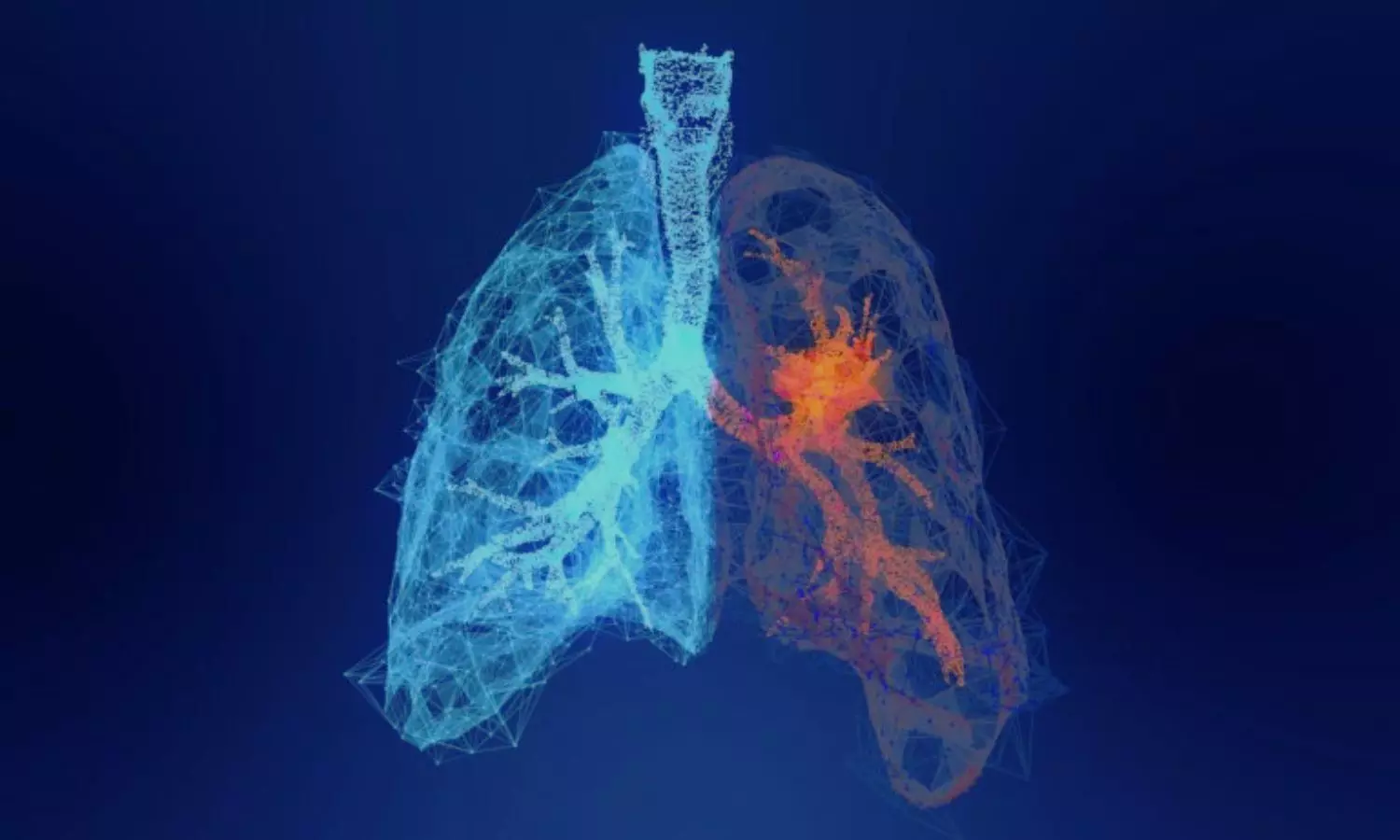


A recent prospective case series study published in the Indian Journal of Anaesthesia in June 2026 highlights the success of non-intubated video-assisted thoracic surgery (NIVATS) in high-risk post-radiotherapy lung cancer patients. Across ten extended lobectomies lasting up to 262 minutes, the tubeless technique achieved complete surgical success with a zero percent intubation conversion rate.
While intubated video-assisted thoracic surgery (IVATS) remains the standard for complex thoracic procedures despite causing postoperative pulmonary complications (PPCs) in 14% to 59% of patients, non-intubated techniques have historically been limited to brief interventions under two hours due to concerns over intraoperative physiological stress during extended resections in radiation-fibrosed tissue. Bridging this clinical gap, Dr. Amit Kumar Mittal and colleagues from the Department of Anaesthesia and Surgical Oncology at Rajiv Gandhi Cancer Institute and Research Centre, New Delhi, India, aimed to evaluate the feasibility, physiological boundaries, and anesthetic management of planned tubeless lobectomies following preoperative radiotherapy.
Therefore, conducted between October 2025 and February 2026, the prospective case series study evaluated ten non-small cell lung cancer patients undergoing non-intubated lobectomy using a laryngeal mask airway, target-controlled infusion, thoracic epidural analgesia, and vagal nerve blockade. Excluding candidates with airway compromise or poor pulmonary reserve, investigators assessed surgical feasibility and conversion rates alongside arterial blood gas trends, ventilatory dynamics, and postoperative complications.
Key Clinical Findings of the Study Includes:
- Procedural Feasibility: The team achieved a 100% surgical completion rate without any conversion to endotracheal intubation, managing a median operative time of 236 minutes (range 210–262 minutes) and a median anesthesia duration of 309 minutes (range 264–378 minutes).
- Oxygenation Profile: Median partial pressure of arterial oxygen (PaO₂) shifted from 313.0 mmHg at baseline to 196.0 mmHg by the end of lung isolation, while peripheral oxygen saturation (SpO₂) remained stable between 97.5% and 99.5% on an inspired oxygen fraction of 0.60 to 0.80.
- Hypercapnic Progression: Arterial carbon dioxide tension (PaCO₂) rose progressively from 42.0 mmHg initially to a median peak of 65.0 mmHg during lung collapse, accompanied by a pH decrease from 7.43 to 7.25 that began reversing post-repair to 55.0 mmHg and 7.36.
- Postoperative Morbidity: Pulmonary complications were restricted to a single case of atelectasis (10%), which resolved smoothly with incentive spirometry without requiring invasive re-intervention.
- Ventilatory Independence: Spontaneous respiration was successfully preserved in 90% of subjects throughout the procedure, with only one patient requiring temporary low-pressure support of 4 to 6 cm H₂O twice for 5 to 10 minutes.
The results suggest that non-intubated thoracic surgery provides a feasible approach for complex post-radiotherapy lobectomies lasting a median of 236 minutes, attaining complete surgical success with zero intubation conversions despite predictable carbon dioxide elevation reaching 65.0 mmHg. Successful execution relies on stringent patient selection, experienced multidisciplinary teamwork, standardized anesthetic protocols, and immediate rescue intubation readiness.
Thus, the study concludes that clinicians may consider integrating regional epidural analgesia, vagal nerve blockade, and avoidance of capnothorax insufflation to safely mitigate hypercapnic risks and minimize pulmonary complications during extended non-intubated thoracic procedures.
Although these findings are inherently limited by a small cohort of ten patients, future prospective investigations could further refine safety parameters and clarify long-term physiological and recovery benefits.
Reference
Mittal AK, Goel N, Ranjan R, Darlong LM. Non-intubated video-assisted thoracic surgery in post-radiotherapy lung cancer: A report of ten cases. Indian J Anaesth 2026;70:771-4.