
Study strengthens alcohol's link to deadly pancreatic cancer
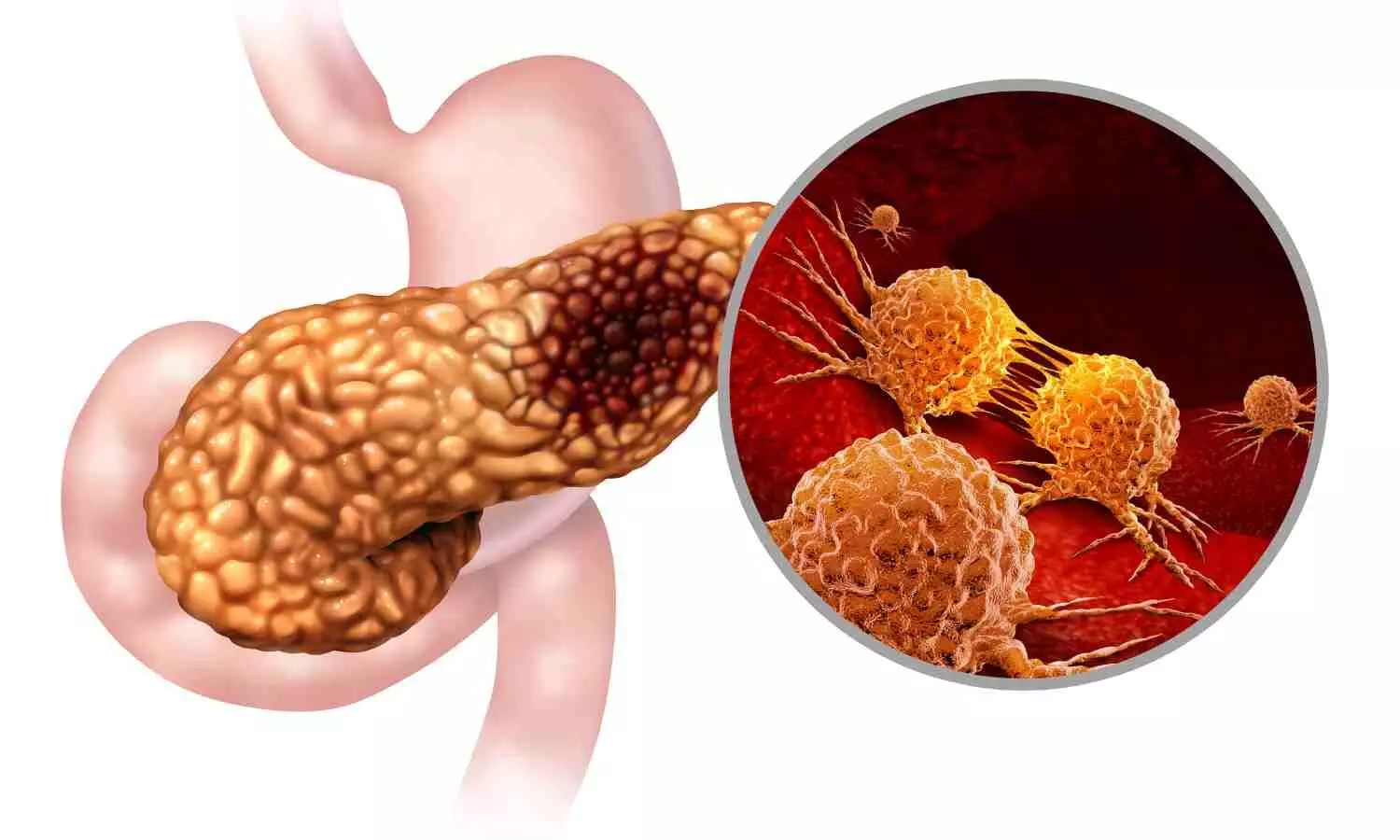


A new paper led by researchers at University of Victoria's Canadian Institute for Substance Use Research (CISUR) contributes to mounting evidence that alcohol use can cause pancreatic cancer.
“Right now, the World Health Organization lists seven types of cancer, including mouth, breast and colon cancer, as being linked to alcohol consumption,” says Tim Naimi, CISUR’s director and an author of the study. “There has been a growing body of evidence pointing to alcohol consumption as a cause of pancreatic cancer, and this analysis is a significant contribution to that evidence.”
Pancreatic cancer is a particularly deadly form of the disease, with only about 12 percent of Canadians surviving five years after diagnosis.
The paper, published in the International Journal of Alcohol and Drug Research, is a systematic review and meta-analysis of existing cohort studies, which follow groups of people over time. The research team analyzed the literature to find evidence of the link between pancreatic cancer and alcohol intake in these types of studies.
A particular focus was on studies that avoided “former drinker” bias, where people who had quit drinking alcohol were counted as abstainers, as opposed to only counting people who never or rarely drank alcohol as abstainers.
“Often people who identify as abstainers in these cohort studies used to be heavy drinkers who quit due to health reasons, meaning they may still be feeling long-term effects of alcohol use, including cancer cases,” explains Jinhui Zhao, CISUR scientist and the paper’s lead author. “There has been a push in recent years to take this bias into account to truly measure alcohol’s health impacts.”
Once the authors controlled for former drinker bias, as well as other potentially confounding factors including age, smoking, and socioeconomic status, they found a dose-response relationship between pancreatic cancer and drinking. Drinking more than 24 grams of alcohol per day (a little under two standard Canadian drinks) was associated with a 10-30 percent increase in risk of developing pancreatic cancer.
“After rigorously analyzing the existing evidence, we strongly believe it’s time to add pancreatic cancer to the list of alcohol-related cancers,” says Naimi.
Reference:
Jinhui Zhao, Tim Stockwell, Alcohol consumption and the risk of pancreatic cancer: A systematic review and meta-analysis of cohort studies, International Journal of Alcohol and Drug Research, DOI: 10.7895/ijadr.649
