
Obstructive sleep apnea and lung cancer: Epidemiological insights and pathophysiological mechanisms
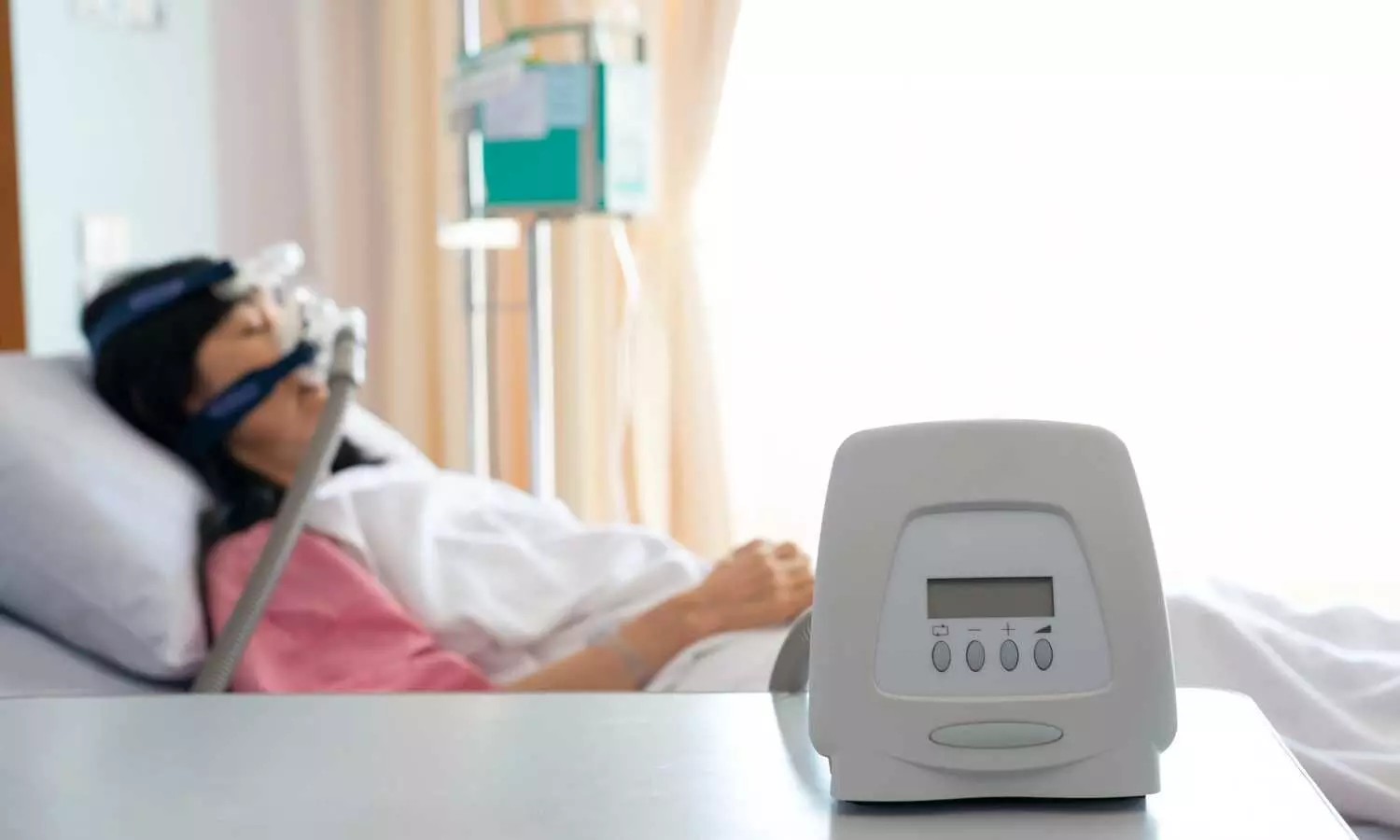


Obstructive sleep apnea (OSA) is a common sleep disorder characterized by intermittent hypoxia and sleep fragmentation, which may contribute to lung cancer development and progression. This review synthesizes epidemiological evidence on the association between OSA and lung cancer incidence and mortality. While some studies report an increased lung cancer risk, particularly with severe nocturnal hypoxemia, others show no significant association or even a protective effect. Pathophysiologically, OSA may promote oncogenesis through hypoxia‑inducible factor (HIF) activation, tumor immune microenvironment remodeling, exosome‑mediated signaling, NF‑κB pathway activation, and enhanced cancer stem cell properties. Continuous positive airway pressure (CPAP) therapy may mitigate these effects, with evidence suggesting reduced lung cancer incidence and improved prognosis in adherent patients. Standardized studies using objective diagnostics and robust confounder adjustment are needed to clarify the OSA–lung cancer link.
Introduction
OSA affects millions worldwide and is linked to cardiovascular, metabolic, and neoplastic diseases. Intermittent hypoxia and sleep fragmentation are the core pathological disturbances. Lung cancer remains a leading cause of cancer death. Emerging evidence suggests OSA may influence lung cancer initiation and progression, but epidemiological findings are inconsistent. This review summarizes current evidence on OSA–lung cancer associations, underlying mechanisms, and the potential impact of CPAP therapy.
Epidemiology
Studies show conflicting results (Tables 1 and 2).
• Positive associations: Some large cohort studies (e.g., Jara et al., veterans; Kendzerska et al., Canada) found OSA independently associated with increased lung cancer risk (HR up to 1.34). Nocturnal hypoxemia (T90%, mean SaO₂ <93.4%) emerged as a stronger predictor than AHI alone.
• No association: Gozal et al. (US insurance database) and Marriott et al. (Australian sleep clinic) found no significant link between AHI or T90% and lung cancer incidence.
• Protective associations: Sillah et al. (US community) and Park et al. (Korean NHIS) reported lower lung cancer incidence in OSA patients (SIR 0.66, HR 0.87), with a notable gender‑specific protective effect in Asian males.
• Mortality: Severe OSA is associated with higher cancer‑related mortality. Huang et al. showed 3‑year mortality increased progressively with AHI severity (25% for AHI<15, 50% for AHI 15–29, 80% for AHI≥30).
Discrepancies likely stem from differences in study design, follow‑up duration, diagnostic methods (polysomnography vs. administrative codes), and adjustment for confounders (smoking, obesity).
Pathogenesis
• Intermittent hypoxia (IH) drives lung cancer progression through multiple mechanisms (Fig. 1):
• HIF activation: IH stabilizes HIF‑1α and HIF‑2α, upregulating VEGF (angiogenesis), MMPs (invasion), and epithelial‑mesenchymal transition genes.
• Tumor immune microenvironment remodeling: IH recruits M2 macrophages, MDSCs, and Tregs, upregulates PD‑L1, and suppresses CD8⁺ T cells.
• Exosome‑mediated signaling: IH stimulates exosome release carrying miR‑21, miR‑210, VEGF, and HIF‑1α, promoting angiogenesis, immunosuppression, and pre‑metastatic niche formation.
• NF‑κB pathway activation: IH activates NF‑κB, increasing pro‑inflammatory cytokines (IL‑6, TNF‑α), anti‑apoptotic genes (BCL‑2), and MMPs.
• Cancer stem cell enhancement: IH upregulates CSC markers (Oct4, Sox2, Nanog) via HIF and NF‑κB, contributing to therapy resistance.
Treatment
CPAP therapy may mitigate OSA‑related cancer risk. Studies show that adherent CPAP users have approximately 50% lower lung cancer incidence (subdistribution HR 0.49) compared to non‑adherent patients. In melanoma, untreated severe OSA increased poor outcomes (HR 2.96), while CPAP reduced risk to near baseline (HR 1.66). These findings suggest CPAP could be a modifiable intervention, though large randomized trials are needed.
Limitations
Heterogeneity in study design, OSA diagnostic criteria, hypoxemia metrics, and confounder adjustment precludes meta‑analysis. Most data come from North America, Europe, and East Asia; global generalizability is limited. Mechanistic evidence largely derives from preclinical models; human tissue studies are scarce.
Future Directions
• Randomized trials of CPAP (or alternative therapies) to assess cancer incidence and prognosis.
• Integration of OSA screening into lung cancer screening programs (low‑dose CT).
• Investigation of sex‑ and ethnicity‑specific effects, particularly the protective association in East Asian males.
Conclusions
Severe OSA, especially with marked nocturnal hypoxemia, is associated with increased lung cancer incidence and worse prognosis in multiple cohorts, though results are inconsistent. Nocturnal hypoxemia burden is a stronger and more reproducible predictor than AHI alone. Mechanistically, OSA promotes lung cancer through HIF activation, immune remodeling, exosomes, NF‑κB, and CSC enhancement. Long‑term adherent CPAP therapy shows promise in mitigating these risks. Recognizing and treating severe OSA in at‑risk or diagnosed lung cancer patients is clinically important.
Reference:
Li J, Feng T, Zeng Q. Obstructive Sleep Apnea and Lung Cancer: Epidemiological Insights and Pathophysiological Mechanisms. Explor Res Hypothesis Med. 2026;11(2):e00040. doi: 10.14218/ERHM.2025.00040.
