Wearable Sensors Show High Sensitivity in Sleep Apnea Screening, Suggests Narrative Review
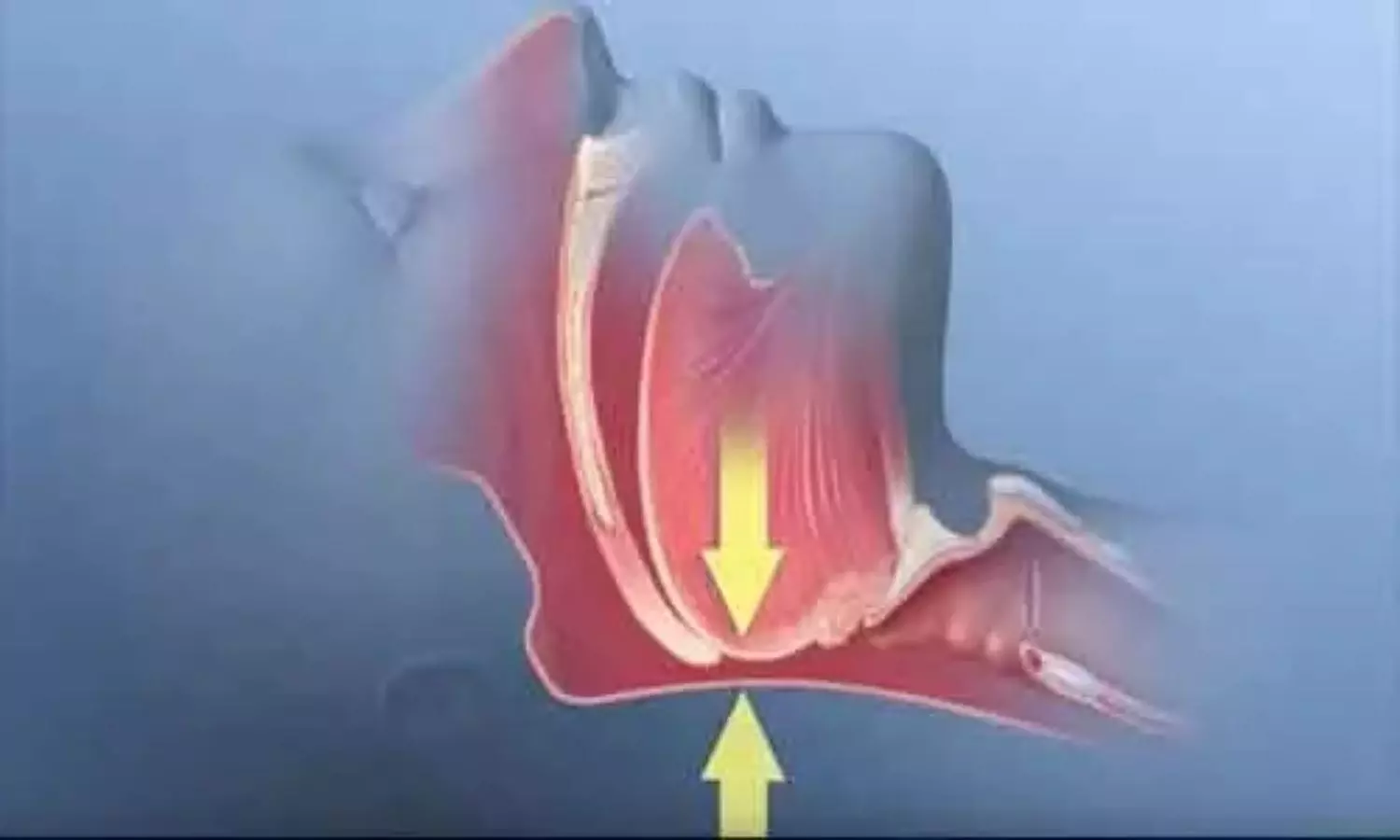


A recent narrative review published in the Indian Journal of Sleep Medicine in September 2026 highlights that novel wearable sensors achieve high clinical sensitivity for moderate-to-severe obstructive sleep apnea. Devices like optical rings, mandibular trackers, and under-mattress mats offer an exciting, convenient complement to traditional polysomnography and home sleep apnea testing.
Although obstructive sleep apnea affects hundreds of millions of adults globally and is linked to severe cardiovascular comorbidities, traditional diagnostic pathways face significant gaps due to high costs, long wait times, and limited access. To address these barriers, Dr. Nimit Khara from the Department of Respiratory Medicine at Shree Krishna Hospital and Bhaikaka University, alongside Dr. Ravish Kshatriya from Parul University, conducted an evidence review evaluating wearable modalities, synthesizing validation data against American Academy of Sleep Medicine (AASM) standards, and defining their precise clinical utility in care pathways.
Therefore, the narrative review analyzed validated clinical studies comparing wearable devices against gold-standard polysomnography (PSG) or home sleep apnea testing (HSAT). Excluding unvalidated consumer devices, primary outcomes assessed diagnostic accuracy and apnea-hypopnea index (AHI) concordance, while secondary outcomes evaluated signal reliability and multi-night feasibility.
Key clinical findings from the review include:
- Peripheral Arterial Tonometry (PAT) Precision: Review—Peripheral arterial tonometry finger sensors demonstrate strong overall correlation with polysomnography for moderate-to-severe disease, although individual discordance and severity misclassification persist near diagnostic cut-offs.
- Mandibular Movement (MM) Diagnostic Precision: Authors—Mandibular movement sensors tracking jaw excursions with automated machine learning algorithms achieve diagnostic accuracy comparable to polysomnography for clinically relevant apnea-hypopnea index thresholds.
- Under-Mattress Ballistocardiography (BCG) Performance: Evidence—Passive under-mattress ballistocardiography mats deliver robust sensitivity and specificity for moderate-to-severe disease while providing multi-night data acquisition that eliminates body-worn hardware and reduces night-to-night variability.
- Photoplethysmography (PPG) Optical Rings: Data—Photoplethysmography finger rings provide superior signal stability and oxygen desaturation index tracking compared to wrist-worn smartwatches when detecting sleep-disordered breathing events.
- Multi-Night Assessment Advantage: Study—Longitudinal multi-night wearable monitoring captures posture-dependent and sleep-stage-dependent variations in apnea-hypopnea index, substantially improving diagnostic reliability in borderline cases.
The results suggest that while polysomnography and home sleep apnea testing remain the primary standards for definitive diagnosis, validated wearable technologies demonstrate high diagnostic accuracy for moderate-to-severe disease at an apnea-hypopnea index threshold exceeding 15 events per hour. Consequently, these novel tools provide a reliable framework to expedite patient triage, reduce clinical wait times, and enable continuous tracking of therapeutic responses.
Thus, the review concludes that clinicians may consider integrating validated wearable modalities as supportive tools for initial risk screening and continuous therapeutic monitoring within clinician-supervised sleep care pathways.
Current wearable implementations are constrained by signal motion artifacts, optical variability across skin tones, and potential misclassifications in mild disease, highlighting the need for future prospective multi-center validation trials, standardized artificial intelligence algorithms, and evaluations of long-term cardiovascular outcomes.
Reference
Khara N, Kshatriya R. Wearable Devices for Obstructive Sleep Apnea: Evidence, Clinical Utility, and Future Directions. Indian Journal of Sleep Medicine. 2026;21(3):117–120.